
research
Risk to CT hospitals from Medicaid cuts varies significantly
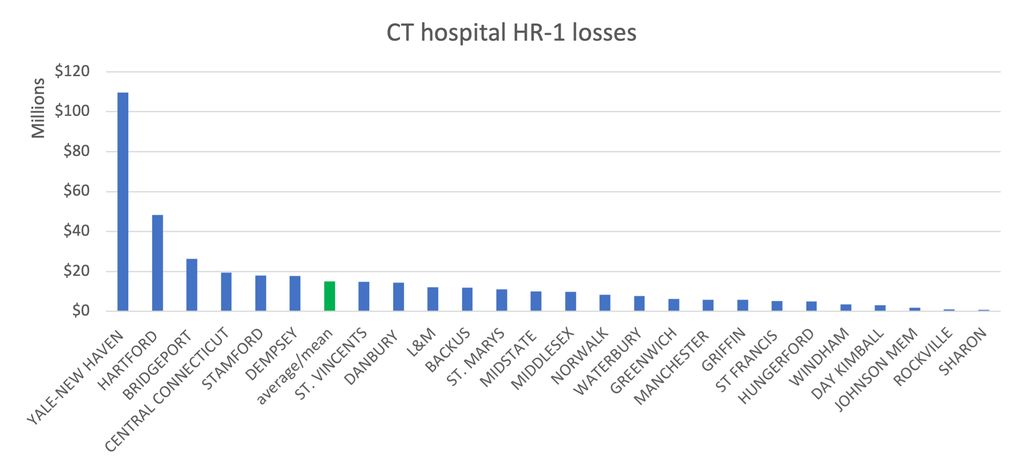
The federal budget bill, HR-1, will cause significant cuts across Connecticut’s healthcare landscape. Much of the cuts will fall on hospitals, but the burden will not be shared equally. A new analysis by Third Way estimates that statewide, Connecticut hospitals will lose $378 million annually over the next ten years due to federal Medicaid cuts.…
Read MoreCTNJ: CT needs to prepare for impending surge in uninsured care
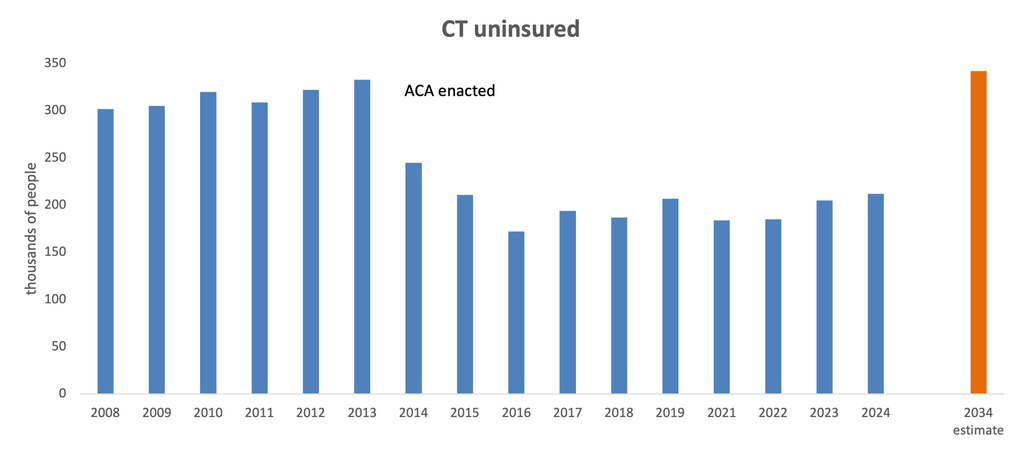
Next year, we may look back fondly on the uninsured numbers released Tuesday estimating 26.7 million Americans were uninsured last year. Like the rest of the US, Connecticut’s uninsured rate fell significantly a decade ag, making it old news. Other healthcare issues have taken over the spotlight. But federal budget cuts will soon put the…
Read MorePrescription Drugs chapter in CT Healthcare Explained updated

We’ve updated the Prescription Drugs chapter of CT Healthcare Explained. The update was prompted by new state law, the experience of Medicare price negotiation, changes to federal expert committees that advise regulation, and Trump administration efforts to lower prices. CT Healthcare Explained is our explainer website cutting through the complexities of our state’s healthcare system.…
Read MoreHUSKY changes coming — Caregivers keep your coverage

Under federal Medicaid budget cuts, starting in January over 300,000 HUSKY Part D members will have to be working or qualify for an exemption. The most common reason given by Connecticut Medicaid recipients for not working is that they are caring for family. Caregiving is an exemption to Medicaid work requirements, but many will not…
Read MoreBook Club — Pre-Existing Conditions: How Lobbying Makes American Health Care More Expensive

If you’re still looking for a summer read, Pre-Existing Conditions, by Alex Garlick, is a good choice. This is the first deep dive I’ve found into the impact of state-based lobbying on healthcare costs. Most descriptions of healthcare policy, including the influence of lobbying, only looks at the federal level. Most important health policy happens…
Read MoreAnalysis: Questions missing in the Lamont-Elliot debate

In Wednesday’s debate, the only one we’ll get, between Connecticut’s Democratic candidates for Governor, there were no questions about healthcare. None. Affordability is a top priority for voters, and the staggering cost of healthcare is a big part of their anxiety. These are some questions I would’ve asked, and I’ll even give the candidates my…
Read MoreHospital chapter in CT Healthcare Explained updated

We’ve updated the Hospitals chapter of CT Healthcare Explained. The update was prompted by new numbers and new topics, including potential impact of federal Medicaid cuts, payment rates, Medicaid rates, and private equity . CT Healthcare Explained is our explainer website cutting through the complexities of our state’s healthcare system. Like the other 17 topic…
Read MoreAnalysis: Public health is the bedrock of our health system, we should treat it better
These are strange, hard times for public health.The country, including government, is focused on improving our health. But we get confusing, contradictory information on how to care for ourselves and our families. They’ve literally tipped the food pyramid upside down. Not surprisingly, most Americans report that they get conflicting information and it’s difficult to know…
Read MoreOne in ten CT adults forgo needed medical care due to cost, HR-1 likely to increase that rate
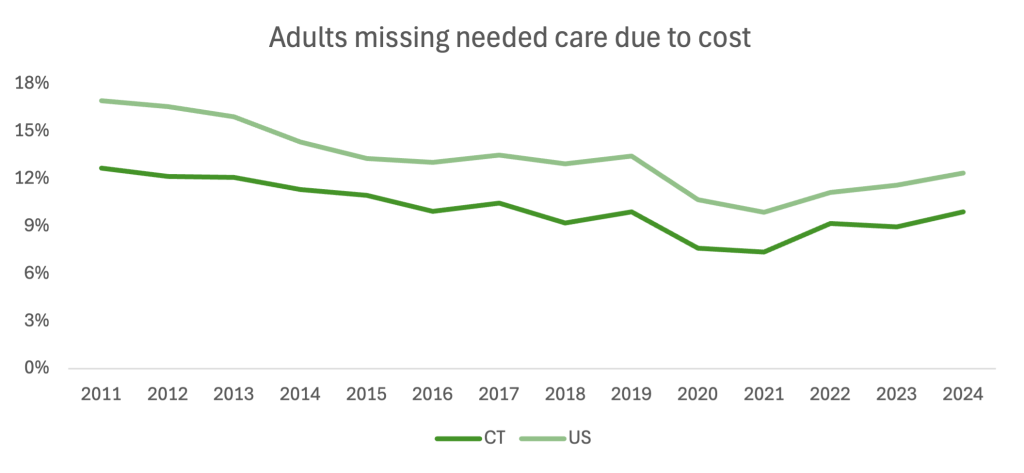
In 2024, 9.9% of adults in Connecticut missed needed care because of cost in 2024, according to an analysis of SHADAC data. That’s better than the US average at 12.4%. Both had been dropping as the number of uninsured fell but began rising again after COVID. Medical inflation has grown faster than general inflation since…
Read MoreCT hospital ED wait times are 4th highest among states, Patient “boarding” to blame

At 191 minutes, the average (median) wait time at Connecticut’s hospital emergency departments (EDs) was tied with New York for 4th worst among states. Maryland was the highest at 247 minutes. The data from the federal Centers for Medicare and Medicaid Services (CMS) covers April 1, 2024 through March 31, 2025. According to CT Public…
Read More