uninsured
Hamden Info Session on Medicaid work requirements, Updates to caregiver resources

The Town of Hamden is sponsoring an Info Session on the new HUSKY work requirements on Wednesday, October 21st 6:00pm at Keefe Community Center, 11 Pine St. Spanish translation services will be available. Click here for more info. The panel will include: Join us Oct. 21st to learn more about the changes coming to HUSKY.…
Read MoreRisk to CT hospitals from Medicaid cuts varies significantly
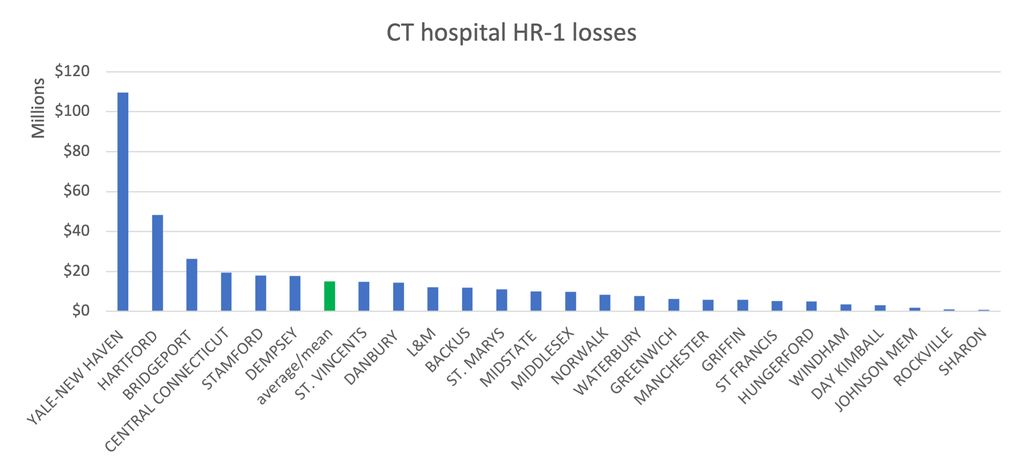
The federal budget bill, HR-1, will cause significant cuts across Connecticut’s healthcare landscape. Much of the cuts will fall on hospitals, but the burden will not be shared equally. A new analysis by Third Way estimates that statewide, Connecticut hospitals will lose $378 million annually over the next ten years due to federal Medicaid cuts.…
Read MoreCTNJ: CT needs to prepare for impending surge in uninsured care
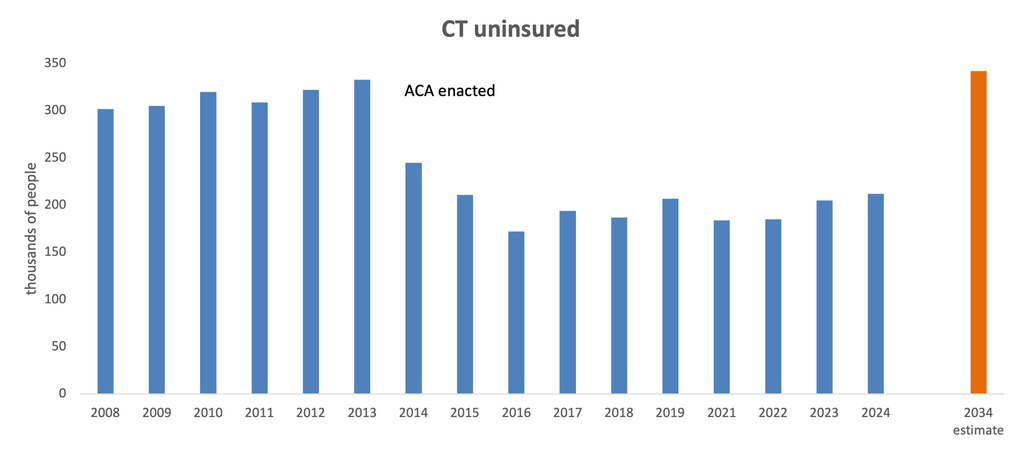
Next year, we may look back fondly on the uninsured numbers released Tuesday estimating 26.7 million Americans were uninsured last year. Like the rest of the US, Connecticut’s uninsured rate fell significantly a decade ag, making it old news. Other healthcare issues have taken over the spotlight. But federal budget cuts will soon put the…
Read MoreHUSKY changes coming — Caregivers keep your coverage

Under federal Medicaid budget cuts, starting in January over 300,000 HUSKY Part D members will have to be working or qualify for an exemption. The most common reason given by Connecticut Medicaid recipients for not working is that they are caring for family. Caregiving is an exemption to Medicaid work requirements, but many will not…
Read MoreAnalysis: Questions missing in the Lamont-Elliot debate

In Wednesday’s debate, the only one we’ll get, between Connecticut’s Democratic candidates for Governor, there were no questions about healthcare. None. Affordability is a top priority for voters, and the staggering cost of healthcare is a big part of their anxiety. These are some questions I would’ve asked, and I’ll even give the candidates my…
Read MoreCT joins 24 other states suing CMS over Medicaid work requirements

Twenty five states, including Connecticut, and the District of Columbia, have filed a lawsuit againstagainst the federal Medicaid administration (CMS) for going beyond the language of the law (HR-1) that imposed work requirements on 300,000 HUSKY Part D members. Medicaid provides healthcare coverage to Connecticut’s most fragile residents, easing both health and economic frailty. That’s…
Read MoreUpdated again: HUSKY and work requirements – Incorporating the new federal rule

Updated June 30, 2026 to include states’ lawsuit Download the update corrected version with revisions highlighted Download a clean version of the update To incorporate new federal regulations, we’ve again updated our paper with recommendations for implementing federal changes and cuts to Connecticut’s Medicaid program that become effective January 1st of next year. This version…
Read MoreCTNJ: Federal Medicaid Rule Hard For Caregivers, Worse For Their Frail Patients
The 387-page regulations came out earlier this month, telling states how to implement the scary, new federal Medicaid work requirements. The regulations came with both a curious contradiction and a surprise for states that had been working with federal regulators. The new regulations on who is exempted from work requirements to keep their healthcare coverage…
Read MoreHospital chapter in CT Healthcare Explained updated
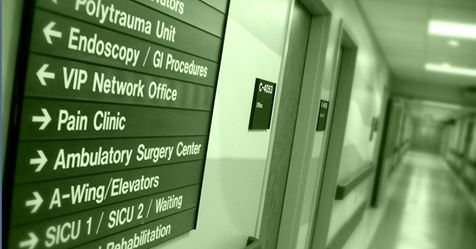
We’ve updated the Hospitals chapter of CT Healthcare Explained. The update was prompted by new numbers and new topics, including potential impact of federal Medicaid cuts, payment rates, Medicaid rates, and private equity . CT Healthcare Explained is our explainer website cutting through the complexities of our state’s healthcare system. Like the other 17 topic…
Read MoreOne in ten CT adults forgo needed medical care due to cost, HR-1 likely to increase that rate
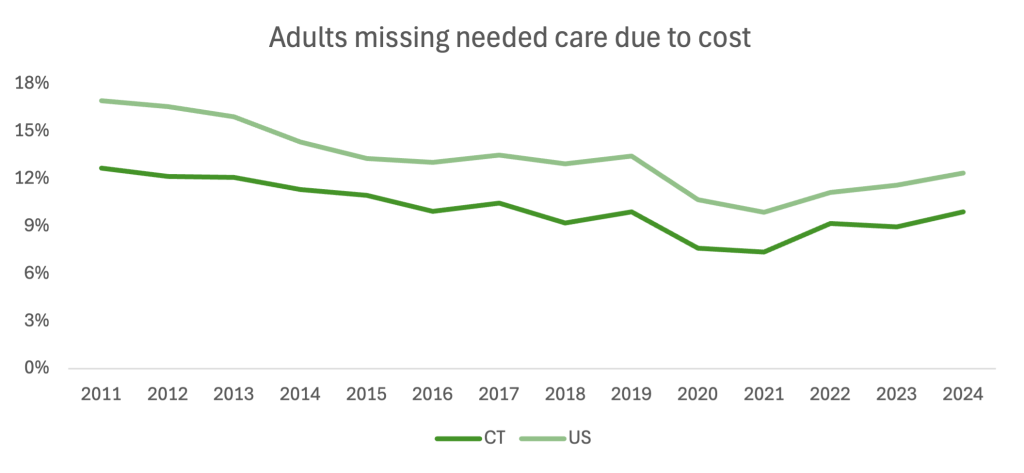
In 2024, 9.9% of adults in Connecticut missed needed care because of cost in 2024, according to an analysis of SHADAC data. That’s better than the US average at 12.4%. Both had been dropping as the number of uninsured fell but began rising again after COVID. Medical inflation has grown faster than general inflation since…
Read More