Stats & Data
Americans are getting non-emergency care again, but progress varies
In good news, Americans are getting preventive and maintenance care visits, according to an analysis by the Commonwealth Fund. But progress is not even. While visits to dermatologists and for adult primary care are higher than before the pandemic, unfortunately behavioral health care visits and visits for young children have not rebounded. This is particularly…
Read MoreUS safe injection sites could save lives and save cities up to $4.35 million each year

Allowing safe sites for injecting opioids in the US would save lives and lower healthcare spending significantly for affected communities, according to ICER’s latest draft evidence report. In 2018, opioid overdoses killed 948 Connecticut residents and there are signals that the rate has risen during the pandemic. Supervised injection facilities (SFIs) are part of a…
Read MoreCommercial plans pay Connecticut hospitals 215% of Medicare prices, but that’s better than most states; No evidence of Medicaid or Medicare cost shifting
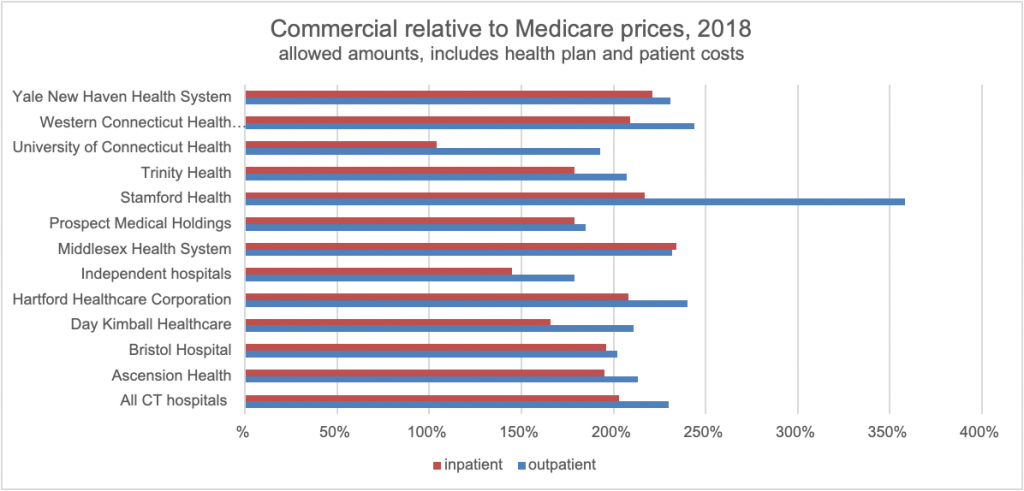
A new data set and report from RAND finds that Connecticut hospital prices paid by commercial plan were 215% of Medicare in 2018, varying from 144% for UConn Health to 282% for Stamford Health. If commercial plans had paid the same rates as Medicare that year, consumers would have saved $510 million. While high, Connecticut…
Read MoreCOVID hit Medicaid hard

Medicaid members were about 33% more likely to be diagnosed with COVID than other Connecticut residents, according to CHNCT’s presentation Friday to the Medicaid oversight council. The average age of members with COVID was 52 years but ranged from newborn to 102 years old. Like the rest of the population, COVID hit Medicaid members with…
Read MoreUpdated Advocacy Toolbox: How to make a difference, where to start, and how to get there

Healthcare policymaking in CT can be complex and frustrating. But you’re not alone and there is help. With generous support from the Connecticut Health Foundation, we’ve updated our Health Advocacy Toolbox. The comprehensive site covers legislative, administrative, and state budget advocacy, how to change public opinion, finding and working in coalitions, effective communications, and how…
Read MoreOne in three CT residents is anxious and/or depressed
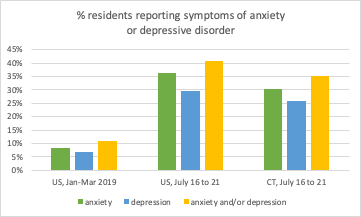
The good news is that the rate of Connecticut residents reporting symptoms of anxiety or depressive disorder is down some since the end of April, according to a new CDC survey. The bad news is that it’s three times higher than this time last year. The week of April 23rd, when Connecticut was deep into…
Read MoreMedicaid rolls up 3.9% since February
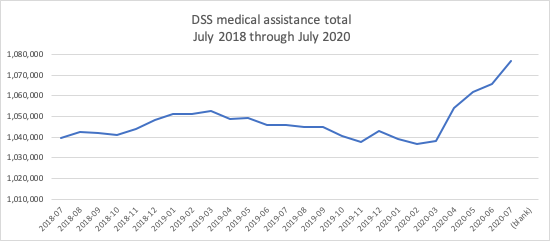
The number of people getting medical assistance through the state is up by 40,158 or 3.9% from February to last month, according to new numbers from DSS. This was expected as people lose jobs and the employer-sponsored coverage that comes with those jobs. With less income more state residents were expected to qualify for Medicaid.…
Read MoreBook Club: Deaths of Despair and the Future of Capitalism

By Anne Case and Angus Deaton Reversing a century of progress, life expectancy has fallen for three years in a row but only in the US. Rising rates of suicide, drug overdoses and alcoholism are largely to blame. There were early media reports about the trend, but this detailed yet readable book goes much farther.…
Read MoreUpdate: OHS committee slightly eases unrealistic cap for CT healthcare costs

In response to stakeholder concerns, at their July 29th meeting the Office of Health Strategy’s (OHS) Technical Team choosing the cap for future Connecticut healthcare costs eased their previous decision on how much healthcare costs for every state resident will be allowed to increase over the next five years. Many stakeholders have voiced concerns that…
Read MoreComprehensive updated resource on Connecticut’s health landscape from DPH, get involved

Almost one in six Connecticut children are food insecure and the number of state residents newly diagnosed with HIV has been dropping since 2010, according to the Dept. of Public Health’s new 2019 State Health Assessment. In 2017, 14.4% of Connecticut high school students used e-cigarettes, up from 2.4% in 2009. Over one in four…
Read More