
healthcare markets
State Partnership Plan losing money but still more expensive than average CT plan options
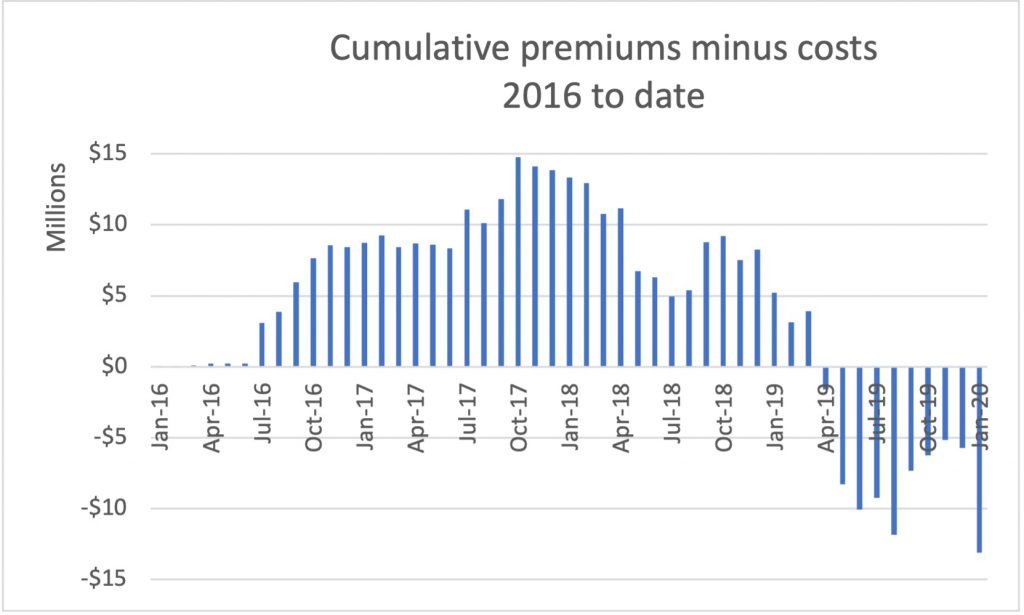
Download the report Connecticut’s most recent public health insurance option, the Partnership Plan 2.0, offers healthcare coverage to municipal employees. According to a new analysis by Brown & Brown Insurance, Partnership Plan premium increases have not kept up with costs. The very impressive analysis is based on Freedom of Information requests; very little information on…
Read MoreCTNJ: If The COVID Vaccine Is Free For Patients, Who Is Paying For It?
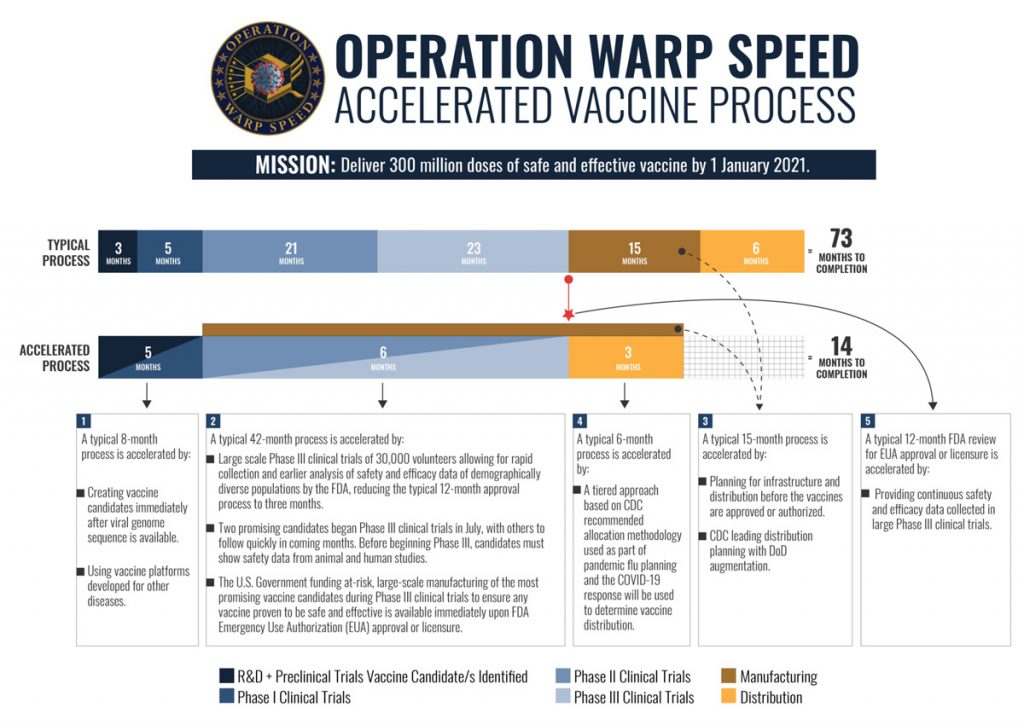
Federal law ensures the COVID vaccine will be provided to every American at no cost. So who is paying for it? Because it’s healthcare, the answer is complicated and we are all paying for it – mostly through taxes and a bit through our insurance premiums. Read more
Read MoreBook Club — Counting: How We Use Numbers to Decide What Matters

I’ve never dog-eared as many pages in a book as Counting: How We Use Numbers to Decide What Matters by Deborah Stone. It’s very trendy to be “data-driven” and assert that “science matters” but what gets counted and how it’s defined make all the difference. Numbers and statistics are nice, but only if they represent…
Read MoreGovernor’s budget includes drug cost control and exchange subsidies, but misses other health priorities

Released today, the Governor’s budget proposal for the next two fiscal years acknowledges the importance of addressing critical health priorities, especially during a pandemic. The document highlights the state’s public health challenges of funding and implementing COVID testing, treatment, and vaccination all while facing a severe economic slowdown, high unemployment, and increased demand for social…
Read MoreWhat does the public really think about a public option? Two polls, and we still don’t know

Dueling polls released this week find Connecticut residents either love the idea of a public health insurance option or they are not big fans. Not surprisingly, the polls are sponsored by groups with dueling agendas and they don’t give details or survey question wording. According to a poll released Monday by Comptroller Kevin Lembo, 71%…
Read MoreHalf of CT hospitals not compliant with new requirement to post negotiated prices for care

Download the report As of January 1st, all US hospitals are required to prominently display on a publicly available website prices privately negotiated with payers for 300 services, under CMS’s Hospital Price Transparency Rule. Hospital “charges” have been available to patients but not the actual prices paid by insurers. CMS requires both a “display of…
Read MoreUnjustified price increases for seven drugs in 2019 cost US healthcare $1.2 billion, CT can remedy this

According to a report released today, in 2019 the US health system spent an extra $1.2 billion on price increases for seven drugs that were not supported by clinical evidence. Enbrel led this year’s list costing Americans $403 million extra for an 8.9% net price increase, after accounting for rebates. The Unsupported Price Increase report…
Read MoreTo make health premiums affordable, CT must address input costs

Download the report here Health benefits in Connecticut are costly and rising faster than inflation. Last year, total employer-sponsored health insurance premiums in Connecticut were the sixth highest among states for both single and family coverage. Connecticut workers paid 7.8% more for single coverage and 4.3% more for family plans than other Americans. Although Connecticut…
Read MoreCTNJ OP-ED | New Health Plan for State Employees Needs Transparency

The State Comptroller’s Office is undertaking payment reform for the very costly state employee health plan without public accountability or transparency. The controversial plan to pay for health care in bundles and reward high quality providers for the plan’s 250,000 members could be a gamechanger, but it could also fail. The problem is that we…
Read MoreHelp us build a CT health policy learning hub

Healthcare is critical to Connecticut’s wellbeing but navigating health policy is complicated and confusing. The Connecticut Health Policy Project is considering a new project for 2021 to foster understanding about health policy in our state. We plan to build on this year’s Advocacy Toolbox but widen to anyone who wants a better understanding of how…
Read More