
research
Half of CT hospitals not compliant with new requirement to post negotiated prices for care

Download the report As of January 1st, all US hospitals are required to prominently display on a publicly available website prices privately negotiated with payers for 300 services, under CMS’s Hospital Price Transparency Rule. Hospital “charges” have been available to patients but not the actual prices paid by insurers. CMS requires both a “display of…
Read MoreConnecticut Medicaid costs stable but rising physician and clinic spending threaten progress
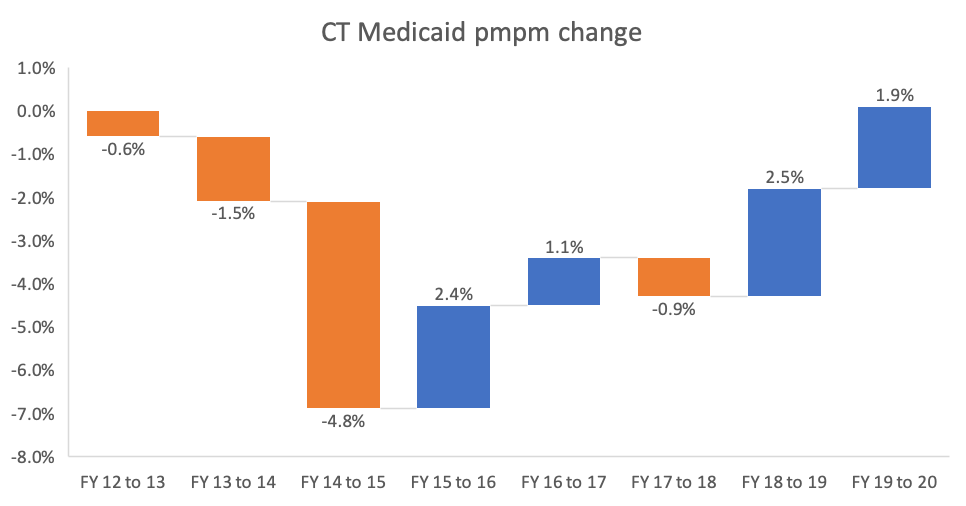
Download the report Since switching from managed care organizations in 2012 to focus on care management, Connecticut Medicaid spending has stabilized while enrollment has expanded significantly, according to the state’s latest financial report. Medicaid now covers one in four state residents. However, physician and clinic spending increases are eroding early progress in controlling costs. Medicaid…
Read MoreCTNJ: Analysis — Control Prices to Lower Health Insurance Premiums

Connecticut health insurance premiums are the sixth highest in the U.S. While our costs are rising less quickly than other states, that’s cold comfort to Connecticut’s households and employers. This isn’t a new problem and it has not been ignored. The simple fixes haven’t been enough. Read more
Read MoreMore physicians joining large health systems across CT

From 2016 to 2018, the number of Connecticut physicians affiliated with large health systems grew in every area of the state, according to a new analysis in Health Affairs. Nationally the percent of physicians in large health systems rose by 11%, and the rate grew in 92% of US metro areas. Growth was fastest in…
Read MoreCT got fewer vaccines than other states, but did far better at getting people vaccinated
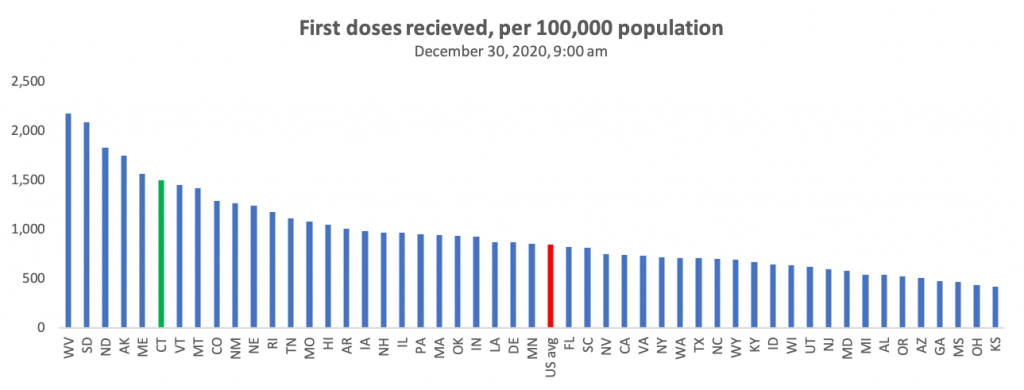
Download the report here Policymakers and experts have expressed disappointment at the slow rollout of the COVID-19 vaccines. While the vaccines were developed and manufactured at record speeds, getting Americans vaccinated has been slower than expected. The Secretary of Human Services expected to have 20 million Americans vaccinated by the end of 2020. But as…
Read MoreTop Stories of 2020

A year ago, our predictions for 2020 missed all but the recession. COVID has us giving up on predictions, so we’ll just take a look back at our top stories of this year. Advocacy Toolbox now online — Updates include specific, real world tools for legislative, administrative, and state budget advocacy, how to change public…
Read MoreTo make health premiums affordable, CT must address input costs

Download the report here Health benefits in Connecticut are costly and rising faster than inflation. Last year, total employer-sponsored health insurance premiums in Connecticut were the sixth highest among states for both single and family coverage. Connecticut workers paid 7.8% more for single coverage and 4.3% more for family plans than other Americans. Although Connecticut…
Read MoreHelp us build a CT health policy learning hub

Healthcare is critical to Connecticut’s wellbeing but navigating health policy is complicated and confusing. The Connecticut Health Policy Project is considering a new project for 2021 to foster understanding about health policy in our state. We plan to build on this year’s Advocacy Toolbox but widen to anyone who wants a better understanding of how…
Read MoreCT workers’ health benefits cost more, but growing more slowly and take less of our incomes

Download the report While total premiums, deductibles, and the workers’ share of premiums for Connecticut employee health coverage are higher than the US average, they have generally grown less quickly and consume less of our incomes than for other Americans from 2010 to 2019. Connecticut employer health coverage total premiums, employee share of premiums, and…
Read MoreICER seeking members for New England evidence review group

The Institute for Economic and Clinical Review (ICER) is seeking nominations for new members to the New England Comparative Effectiveness Public Advisory Council (New England CEPAC). The Council includes leading clinicians, patient and consumer advocates, methodologists, and health economists. The group holds public meetings three to four times per year to discuss evidence reports on…
Read More