healthcare costs
Book Club — The Data Detective
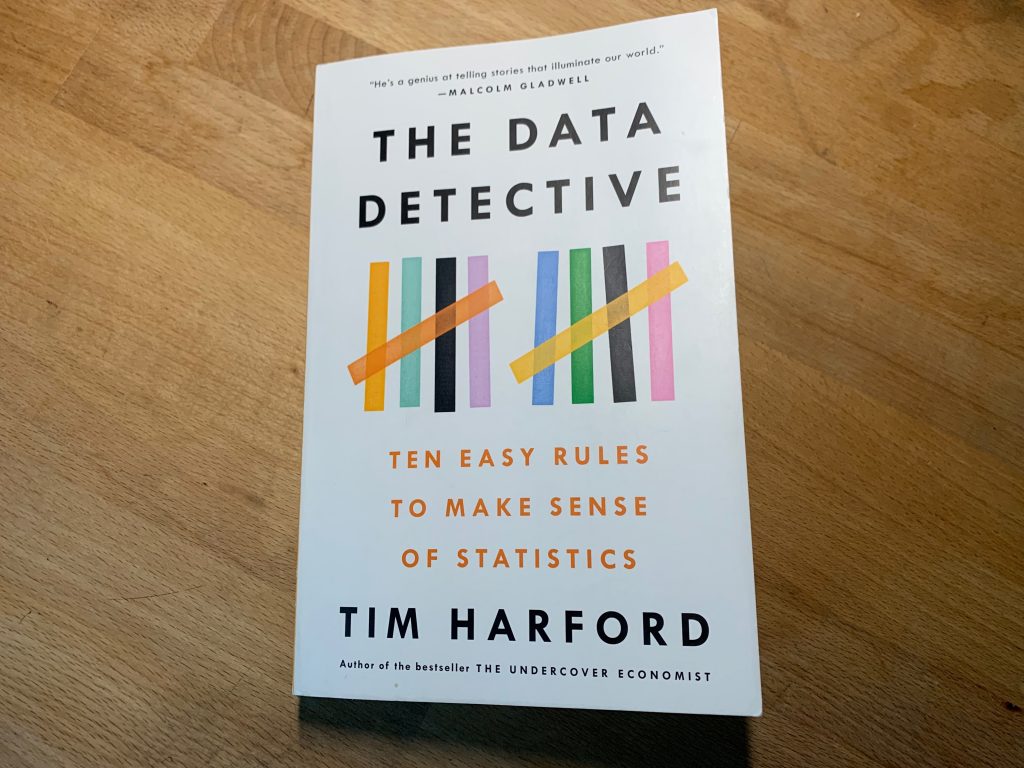
The Data Detective: Ten Easy Rules to Make Sense of Statistics follows on the Book Club’s obsession with statistics and good data analysis (here, here, here, and here). Good policy rests on good evidence. There are good sources, including the books linked above, that uncover misleading information, with clues to identify them, and that’s important.…
Read MoreCTNJ op-ed: Health insurance affordability review is good, but it’s no silver bullet

A movement to include affordability in the Insurance Department’s review of health insurance premiums is gaining champions. That’s a good thing. The best care is useless if you can’t afford it. Holding insurers accountable for lowering costs is important, but it’s not going to solve everything. We need to do much more to get costs…
Read MoreNo evidence to justify increases for 7 of top 10 most costly drugs

The latest Unsupported Price Increase report from the Institute for Clinical and Economic Review finds that, last year, seven of the ten most costly drugs in the US that raised net prices well over the rate of general inflation, had no new clinical evidence of effectiveness to justify the increases. The increases on just these…
Read MoreCT’s best healthcare secret — CID’s Consumer Report Card

It may not attract the same enthusiasm as other holidays this time of year, but if you’re shopping for health insurance during this Open Enrollment season, you need this resource. As a health policy researcher, there are few better sources of information on how insurers are performing. The Consumer Report Card on Health Insurance Carriers…
Read MoreCT hospitals’ charity care varied widely last year, a bit more than US

Last year, uncompensated care at Connecticut’s 27 acute care hospitals averaged 1.8% of total expenses, according to the state’s latest report. However, that rate varied from 4.2% at Norwalk Hospital to 0.5% at CT Children’s. Uncompensated care is services provided that hospitals are not paid for. It includes charity care, which hospitals forgive from the…
Read MoreCT hospital readmission penalties higher than US, again
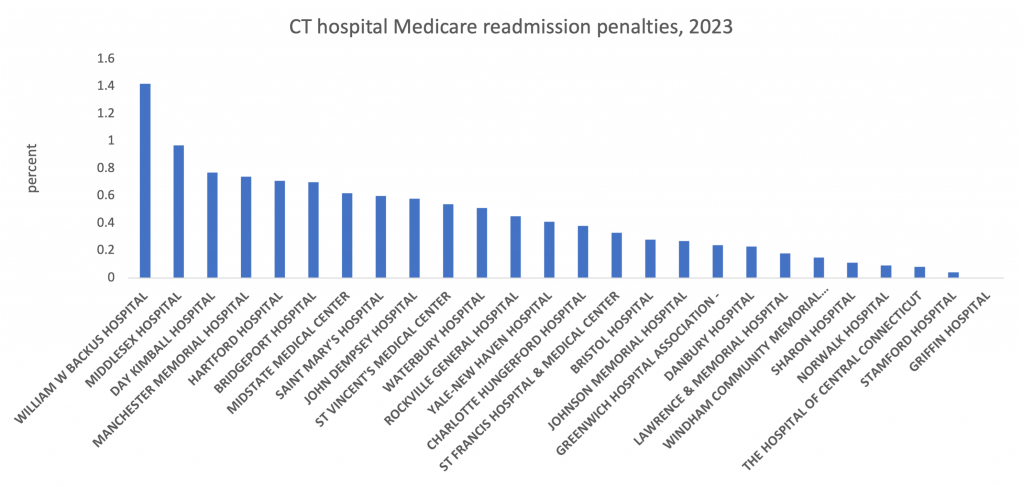
Even with an eased formula due to COVID, all but one acute care Connecticut hospital will be penalized by Medicare next year for higher-than-expected readmission rates. Next year, Connecticut hospitals will be docked by 0.456% on their Medicare payments, higher than the US average of 0.428%. Average Connecticut hospital readmission penalties have been higher than…
Read MoreCTNJ Analysis: Yale-New Haven Health announces layoffs while planning to buy 3 hospitals, and why it matters
It’s puzzling. Yale-New Haven Health System recently announced 72 layoffs and eliminated 155 positions among their managers, but they scored large profits last year and they have enough money to buy three more Connecticut hospitals. If approved by the state, the acquisitions will make Yale the largest health system in the state. We should all…
Read MoreDSS responds to advocates’ questions about HUSKY maternity bundles

More than one in three Connecticut births are covered by the HUSKY program, including some pregnancies at risk for poor birth outcomes. DSS has an ambitious plan to change the way providers are paid for those births. The goals are to improve equity, lower C-section rates, poor maternal outcomes, lower opioid-related pregnancy conditions, and reduce…
Read MoreStudy finds CT low value care is costly

About two percent of commercially insured Americans, including Medicare Advantage, received low value care costing $3.7 billion between 2009 and 2019, according to a new study. The researchers compared states on utilization of low value services and prices for that care. Connecticut has a lot of room for improvement compared to other states. Low value…
Read MoreBest kept secret: You now have free access to all your medical records

As of last Thursday, under new federal rules, healthcare organizations must give patients timely access to all their medical records in digital format without cost. This reverses the usual practice that only gave patients costly access to just some of their data, while data brokers profited by selling deidentified data and analysis to drug companies,…
Read More