disabilities
Three years after 988 mental health line launch, impact is mixed
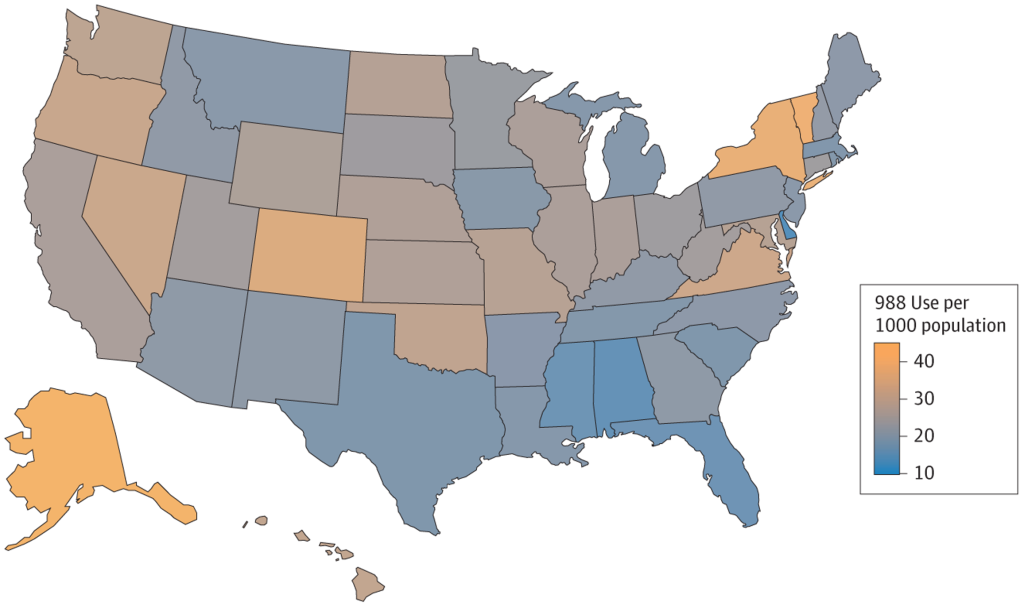
Studies considering the impact of national 988 system finds significant variation between states, but access to emergency services after the call is deficient nationwide. The 988 phone system for mental health crises launched nationwide in July 2022, providing a single easily-remembered number for mental health crises anywhere in the country. Call rates increased significantly after…
Read MoreAnalysis: If it passes, Congressional bill would make 140,000 more people uninsured in Connecticut

If the current US House budget proposal passes into law, experts estimate that 140,000 more Connecticut residents will lose health coverage. They will join the 195,000 currently uninsured state residents and Connecticut’s uninsured numbers will rise to the highest level in twenty years. Losing coverage is not good for the uninsured, both their physical and…
Read MoreNutrition initiative could save $908 million per year in CT healthcare spending – Potential Medicaid LTC spending relief option

Medically tailored meals (MTMs) could save Connecticut $6,299 net per year per person, by far the highest savings among states, according to a new study published in Health Affairs. This research offers an important option to address Connecticut Medicaid long-term care costs that not only saves money, but also improves health. MTMs are nutritious, prepared…
Read MoreJust a sample of Trump healthcare news

I’ve been avoiding writing about the impact of the Trump administration’s policies on healthcare. It’s overwhelming and it changes daily. But waiting for it to settle out isn’t working. It’s time to dig in. Reporters, in Connecticut and nationally, are doing an exceptional job of documenting this as it happens. Here are a small sample…
Read MoreReform section updated in CT Healthcare Explained

We’ve updated the Reform chapter of CT Healthcare Explained, our explainer website cutting through the complexities of our state’s healthcare system. Like the other 17 topic sections, Reform includes a Basics summary and a much longer Deeper Dive into the issue. In the left hand box, you can skip to your specific question. There is…
Read MoreHUSKY still very efficient but drugs are driving up costs
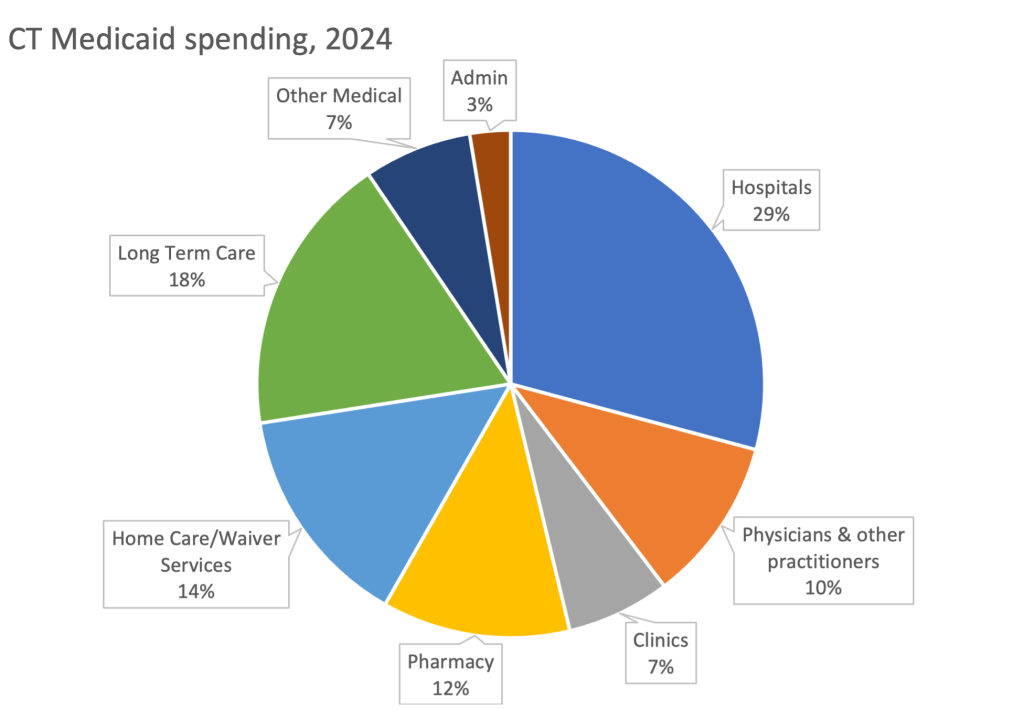
Read the full report Like other states, Connecticut Medicaid per member costs are beginning to increase after dropping during COVID. However, Connecticut’s rate trend remains better than other states. Since switching from managed care organizations in 2012 to focus on care management, Connecticut Medicaid spending stabilized while enrollment expanded significantly, according to the state’s latest…
Read MoreWandering around in OHS’s databases – lots to learn and a surprise

Our state Office of Health Strategy has several impressive portals and dashboards to explore their trove of data and other information. They include healthcare affordability, ED visits, quality ratings, facility plans, self-sufficiency tools, hospital finances, prescription drug costs, and Race, ethnicity and language data. Visitors can sort the data by service, payer, age, gender, and…
Read MoreMaterials from webinar on improved HUSKY cancer survival in CT without MCOs

Yesterday, Dr. John Cramer described his study published earlier this year describing a significant increase in cancer survival and early detection in Connecticut’s Medicaid program when the Managed Care Organizations left in 2012. Click here for slides and here for a recording of the webinar. The study — Association of Medicaid Privatization With Patient Cancer…
Read MoreAnalysis: DSS Study Suggests MCOs don’t Make Sense for HUSKY
Last Friday, the state released a consultants’ report exploring the Governor’s controversial plan to bring private insurers back to run Medicaid in Connecticut. The report’s authors agree with advocates that there is no evidence that MCOs control costs or improve quality or access to care. They also agree that HUSKY, our state Medicaid program, is…
Read MoreFormer Medicaid official offers options to improve the program and a warning

Recently retired from DSS, Steven Colangelo answered the state’s invitation for recommendations to improve HUSKY. He worked at DSS more than 31 years, 10 in Medicaid, focused on the quality of care. His tenure crossed numerous state administrations and seismic shifts in Medicaid policy at the federal level. Steven opposes current state plans to return…
Read More