
consumer info
CT employee insurance costs up, but total picture is more complicated

Worker costs for health insurance are growing in all states, including Connecticut, both in total dollars and as a proportion of median incomes, according to a new analysis by the Commonwealth Fund. Connecticut has not been hit as hard as other states, because in the past growth in median income here was strong. But that…
Read MoreICER seeks nominations for New England Comparative Effectiveness voting panel

The Institute for Clinical and Economic Review has opened nominations for membership on their New England Comparative Effectiveness Public Advisory Council. New England CEPAC meets three times each year in public forums across the region to assess the evidence for treatments for specific conditions with input from stakeholders including patients affected by the condition. In…
Read MoreCTNJ Analysis: When Making Things Better Makes Things Worse: Algorithms, Data and Racial Bias

Unintended consequences are old news; so why are we surprised every time it happens? Computer programs developed to target care management services to people with serious complex conditions were meant to make important health decisions based on data but instead favored White patients over sicker Black patients. Read more
Read MoreICER seeks input on non-drug topics for 2020

The Institute for Clinical and Economic Review is seeking input on non-drug topics they should study for 2020. An independent nonprofit research institute, ICER is the US leader in assessing the evidence on the effectiveness and value of drugs and other medical services. ICER’s reports and pricing benchmarks that represent a good value for consumers…
Read MoreCTNJ: Analysis — How industries influence healthcare spending, and it’s working
There are a thousand ways that healthcare is different than other economic sectors and those differences keep the market from working to keep care affordable. . . . An important way the healthcare market fails is that industries have powerful tools to drive the prices and use of their products that most consumers aren’t aware…
Read MoreCT insurers lost enrollment in 2018, Spent 89% of premiums on medical care
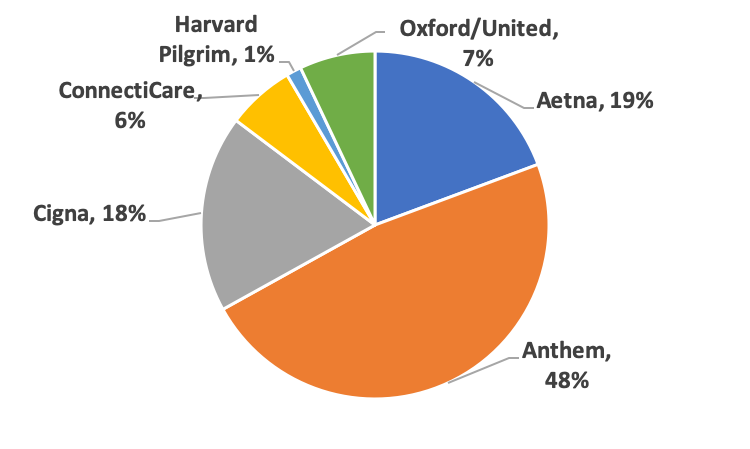
There were 332,015 fewer Connecticut residents with commercial insurance coverage last year than in 2017, according to the latest Consumer Report Card from the CT Insurance Department. All insurers lost enrollment. The report also includes important information for consumers including member satisfaction performance, numbers of participating providers by county, medical measures such as cancer screens,…
Read MoreThirty medically complex children stuck in CT hospitals waiting for home health care cost state over $100 million

Last week, MAPOC’s Complex Care Committee heard from the three remaining home health agencies that provide care for Connecticut’s most medically complex children. We heard about the massive challenges facing both families and agencies. Most parents caring for medically complex children are single mothers due to high divorce rates, who cannot work because of inconsistent…
Read MoreCT healthcare price variation varies

Prices vary by city and for selected healthcare treatments, in some cases substantially, according to Healthscore CT, using the new All Payer Claims Database from the CT Office of Health Strategy and UConn Analytics and Information Management Solutions. The site provides important information on cost and quality for consumers and payers shopping for healthcare services…
Read MoreIf the ACA is overturned, one in four Connecticut adults could lose coverage due to a pre-existing condition

A new report from the Kaiser Family Foundation estimates that 529,000 non-elderly adults (24%) in Connecticut have pre-existing health conditions that could affect their ability to get or afford health insurance if the Affordable Care Act (ACA) is overturned. Researchers estimate that 27% of non-elderly adult Americans have a health condition and 45% of families…
Read More2020 insurance premium requests increase lower for individuals on AccessHealthCT, most of whom are subsidized, older and higher risk
Connecticut insurers have filed their requests for individual and small group premium increases for 2020 with the CT Insurance Dept. Requests vary from an average reduction of 9.8% for CTCare individual plans outside AccessHealthCT, our state’s insurance exchange, to 22% average increases for Aetna small group plans also outside AccessHealthCT. Six in ten people in…
Read More