
Capacity Building
Webinar: Improved prescribing through education and reporting

Connecticut providers and payers are struggling to find ways to address prescription costs and the quality of prescribing. Hear how Mass General Hospital & Physicians Organization’s program improved prescribing quality and efficiency. The webinar is Friday, February 16th at 1pm. Register here. Greg Low, RPh, PhD recently transitioned to a new position as the Manager…
Read MoreMaking it work: Connecting medical and social care in Waterbury

As healthcare costs skyrocket, policymakers are searching for ways to improve the social drivers of poor health with little success. The problem is that the medical system has all the money, while community services manage on shoestrings, and they don’t connect with each other. Some innovators in Connecticut are doing the work to connect the…
Read MoreICER seeking nominations for New England evidence review council

The Institute for Economic and Clinical Review (ICER) is seeking nominations for new members to the New England Comparative Effectiveness Public Advisory Council (New England CEPAC). In my time on the New England CEPAC, it was an exciting dive into learning new things with a team of exceptional experts and colleagues from across the region.…
Read MoreHealthcare for CT residents with developmental disabilities — Webinar #3

Following up on the first webinars on healthcare access for people with developmental disabilities, the third webinar in the Fall Series will focus on Diversity, Equity, Inclusion, and Access to Healthcare. It will be Tuesday, October 17th. The Fall speaker series is sponsored by the CT Council on Developmental Disabilities and UCEDD. Register here for…
Read MoreCT Healthcare Explained — what’s next?

Hopefully, you’ve found our short Sunday Health Policy Minute emails informative and helpful. This is just the beginning of CT Healthcare Explained’s efforts to help make sense of our state’s unreasonably complex system. Hopefully, you’ve accessed the site resources including explainer videos, Basics, and Deeper Dives on the current seventeen topics. Consumers, policymakers, clinicians, students,…
Read MoreHealthcare access for CT residents with developmental disabilities Speaker Series

About 45,000 Connecticut residents have a developmental disability. Compared to Americans without disabilities, adults with intellectual and developmental disabilities are five times more likely to be in poor health, half as likely to get a check-up, have lower rates of blood pressure checks, flu shots, oral health care, and screens for cancer, cholesterol, vision, or…
Read MoreSummer reading — Rough Sleepers
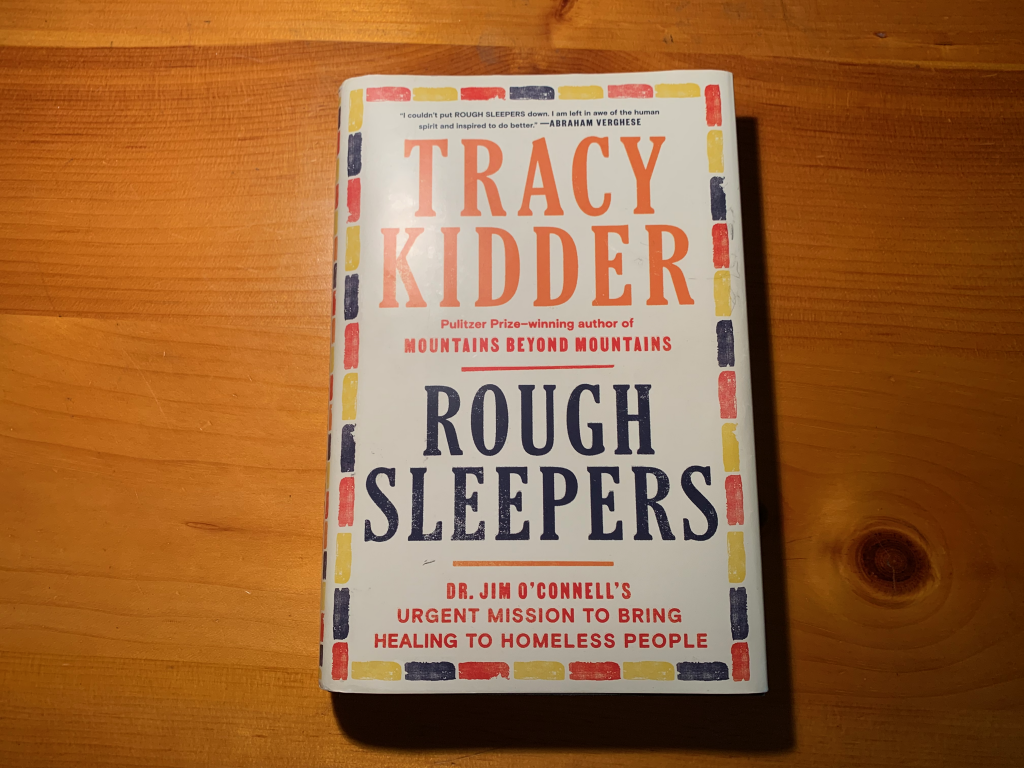
I thought I understood healthcare for the homeless, but I had a lot to learn. Rough Sleepers: Dr. Jim O’Connell’s Urgent Mission to Bring Healing to Homeless People describes Boston’s Healthcare for the Homeless Program by following Dr. Jim O’Connell’s career of caring for people who live, and sleep, on the streets. He ended up…
Read MoreGood-ish news: CT is 13th best state for nurses to work in

Wallet Hub finds that Connecticut is a pretty good state for nurses to work. But the researchers found a big difference between Opportunity and Competition for nurses – Connecticut was 34th – and Work Environment – Connecticut was 4th among states. Opportunity and Competition includes ten measures such as salary, demand for nurses, quality of…
Read MoreOHS seeks community input on YNHH purchase of three more hospitals

The Yale-New Haven health system has applied for permission from the state to buy Waterbury, Manchester Memorial, and Rockville General hospitals. The state Office of Health Strategy is seeking community input through a short survey about how this deal could impact healthcare services and costs. These three hospitals are currently owned by Prospect Medical Holdings,…
Read MoreAnalysis: How Brain Shortcuts Undermine Policymaking
Thinking is hard work. Adult brains are only 2% of our body weight, but they use 20% of our body’s energy. To handle the load, we have evolved hard-wired shortcuts called cognitive biases that sometimes backfire. Public policymaking is not immune – it’s riddled with biases that are driving poor decisions. Read more
Read More