
Stats & Data
CT Medicaid rates squeezed a bit but still higher than other states

A new comparison published this month in Health Affairs finds that Connecticut Medicaid provider payment rates lost some ground between 2012 and 2019, but they remain higher than the US average and well above most nearby states. Primary care rates are highest relative to other states than other services. From 2012 to 2019, compared to…
Read MoreWhat does the public really think about a public option? Two polls, and we still don’t know

Dueling polls released this week find Connecticut residents either love the idea of a public health insurance option or they are not big fans. Not surprisingly, the polls are sponsored by groups with dueling agendas and they don’t give details or survey question wording. According to a poll released Monday by Comptroller Kevin Lembo, 71%…
Read MoreHalf of CT hospitals not compliant with new requirement to post negotiated prices for care

Download the report As of January 1st, all US hospitals are required to prominently display on a publicly available website prices privately negotiated with payers for 300 services, under CMS’s Hospital Price Transparency Rule. Hospital “charges” have been available to patients but not the actual prices paid by insurers. CMS requires both a “display of…
Read MoreConnecticut Medicaid costs stable but rising physician and clinic spending threaten progress
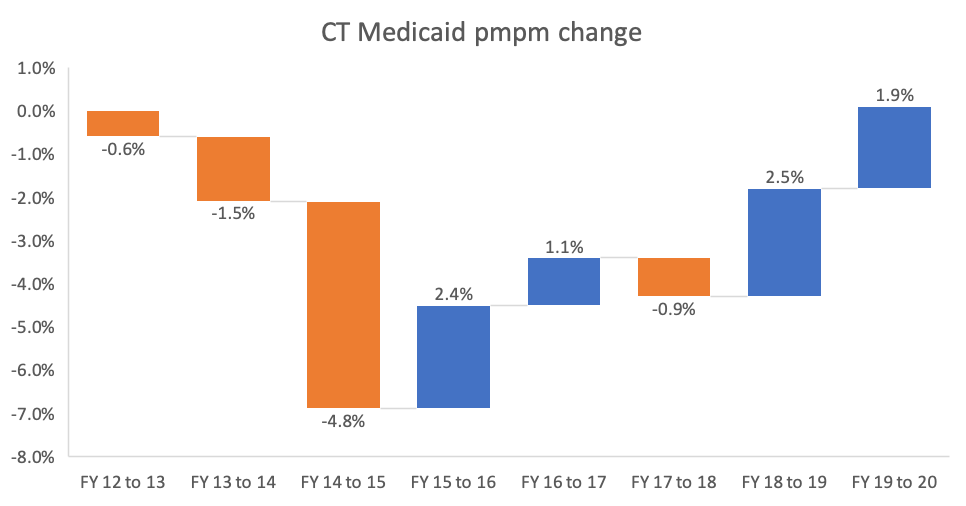
Download the report Since switching from managed care organizations in 2012 to focus on care management, Connecticut Medicaid spending has stabilized while enrollment has expanded significantly, according to the state’s latest financial report. Medicaid now covers one in four state residents. However, physician and clinic spending increases are eroding early progress in controlling costs. Medicaid…
Read MoreCTNJ: Analysis — Control Prices to Lower Health Insurance Premiums

Connecticut health insurance premiums are the sixth highest in the U.S. While our costs are rising less quickly than other states, that’s cold comfort to Connecticut’s households and employers. This isn’t a new problem and it has not been ignored. The simple fixes haven’t been enough. Read more
Read MoreUnjustified price increases for seven drugs in 2019 cost US healthcare $1.2 billion, CT can remedy this

According to a report released today, in 2019 the US health system spent an extra $1.2 billion on price increases for seven drugs that were not supported by clinical evidence. Enbrel led this year’s list costing Americans $403 million extra for an 8.9% net price increase, after accounting for rebates. The Unsupported Price Increase report…
Read MoreMore physicians joining large health systems across CT

From 2016 to 2018, the number of Connecticut physicians affiliated with large health systems grew in every area of the state, according to a new analysis in Health Affairs. Nationally the percent of physicians in large health systems rose by 11%, and the rate grew in 92% of US metro areas. Growth was fastest in…
Read MoreCT got fewer vaccines than other states, but did far better at getting people vaccinated
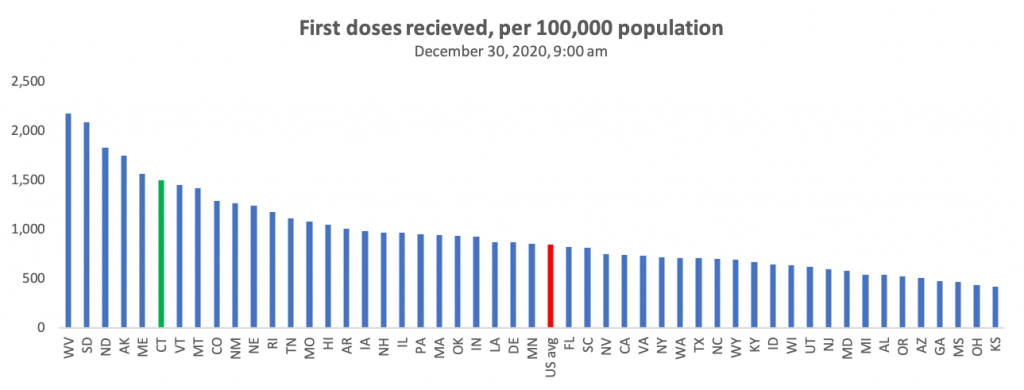
Download the report here Policymakers and experts have expressed disappointment at the slow rollout of the COVID-19 vaccines. While the vaccines were developed and manufactured at record speeds, getting Americans vaccinated has been slower than expected. The Secretary of Human Services expected to have 20 million Americans vaccinated by the end of 2020. But as…
Read MoreTo make health premiums affordable, CT must address input costs

Download the report here Health benefits in Connecticut are costly and rising faster than inflation. Last year, total employer-sponsored health insurance premiums in Connecticut were the sixth highest among states for both single and family coverage. Connecticut workers paid 7.8% more for single coverage and 4.3% more for family plans than other Americans. Although Connecticut…
Read MoreCTNJ OP-ED | New Health Plan for State Employees Needs Transparency
The State Comptroller’s Office is undertaking payment reform for the very costly state employee health plan without public accountability or transparency. The controversial plan to pay for health care in bundles and reward high quality providers for the plan’s 250,000 members could be a gamechanger, but it could also fail. The problem is that we…
Read More