
research
CT now fourth healthiest state

Connecticut residents are healthier than all but three other states. According to the latest America’s Health Rankings by the United Health Foundation. That is down from third last year, and below 2006 and 2008 when we were the healthiest in the nation. Despite the wobbling, we consistently rank well. Unfortunately, our health isn’t reflected in…
Read MoreCT employee insurance costs up, but total picture is more complicated

Worker costs for health insurance are growing in all states, including Connecticut, both in total dollars and as a proportion of median incomes, according to a new analysis by the Commonwealth Fund. Connecticut has not been hit as hard as other states, because in the past growth in median income here was strong. But that…
Read MoreICER seeks nominations for New England Comparative Effectiveness voting panel

The Institute for Clinical and Economic Review has opened nominations for membership on their New England Comparative Effectiveness Public Advisory Council. New England CEPAC meets three times each year in public forums across the region to assess the evidence for treatments for specific conditions with input from stakeholders including patients affected by the condition. In…
Read MoreSurvey finds CT ACOs planning services for high need members

Similar to national results, a new survey of Connecticut Accountable Care Organizations for MAPOC’s Complex Care Committee by the CT Health Policy Project finds that most are using multiple methods to identify high need members. But they are still working on implementing effective programs to address the needs. Many of their plans follow best practices…
Read MoreCTNJ Analysis: When Making Things Better Makes Things Worse: Algorithms, Data and Racial Bias

Unintended consequences are old news; so why are we surprised every time it happens? Computer programs developed to target care management services to people with serious complex conditions were meant to make important health decisions based on data but instead favored White patients over sicker Black patients. Read more
Read MoreICER seeks input on non-drug topics for 2020

The Institute for Clinical and Economic Review is seeking input on non-drug topics they should study for 2020. An independent nonprofit research institute, ICER is the US leader in assessing the evidence on the effectiveness and value of drugs and other medical services. ICER’s reports and pricing benchmarks that represent a good value for consumers…
Read MoreCT insurers lost enrollment in 2018, Spent 89% of premiums on medical care
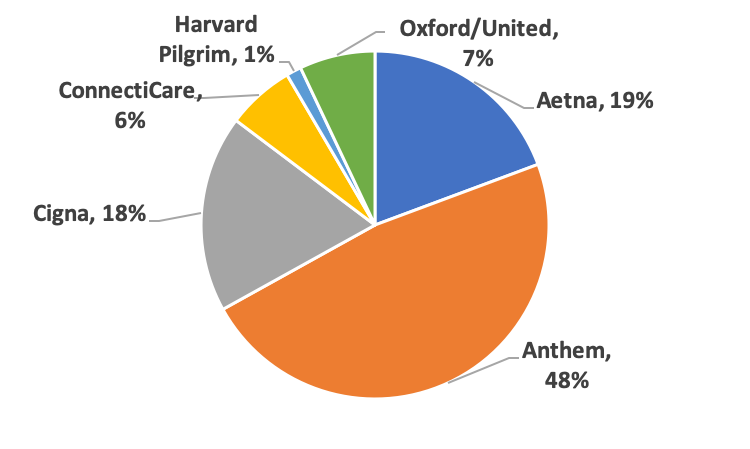
There were 332,015 fewer Connecticut residents with commercial insurance coverage last year than in 2017, according to the latest Consumer Report Card from the CT Insurance Department. All insurers lost enrollment. The report also includes important information for consumers including member satisfaction performance, numbers of participating providers by county, medical measures such as cancer screens,…
Read MoreCT healthcare price variation varies

Prices vary by city and for selected healthcare treatments, in some cases substantially, according to Healthscore CT, using the new All Payer Claims Database from the CT Office of Health Strategy and UConn Analytics and Information Management Solutions. The site provides important information on cost and quality for consumers and payers shopping for healthcare services…
Read MoreConnecticut’s uninsured rate stabilizes, retaining ACA gains

Download the report New numbers from the US Census Bureau report that 187,000 or 5.3% of Connecticut residents were uninsured last year. That number is down slightly from the year before when the uninsured rate was 5.5%, but above 2016’s rate at 4.9%. The new data continues the trend of fewer uninsured that began with…
Read MoreJoin webinar for patients on leading methodology to evaluate the value of costly treatments
September 4th all patients and groups are invited to a webinar to give input on ICER’s Value Assessment Framework methods. The non-profit Institute for Clinical and Economic Review (ICER) is the nation’s leading independent analyst of evidence on the effectiveness and value of drugs and other treatments. ICER produces public reports used by Medicare, Medicaid,…
Read More