
quality
CT has 13th highest cancer rate, but it’s going down

In 2019 Connecticut’s per person rate of new cancers was higher than all but twelve other states, according to a new analysis by USAFacts. Massachusetts ranked far better at 33rd but New York (5th), New Jersey (7th), and Rhode Island (10th) all did worse. Cancer was Connecticut’s second highest cause of death in 2019, just…
Read MoreScreenings catch only 13% of Connecticut cancers

Cancer is the second leading cause of death in Connecticut. While early detection is key to improving survival, only four cancers have effective screening tests — breast, cervical, colorectal, and lung cancers. These four types made up one in three cancers in Connecticut from 2015 through 2019. A new analysis finds that 13% of cancers…
Read MoreUpdate: Policy options to support competition and control healthcare prices

Download the fact sheet Download the updated resource list Healthcare service prices are the main driver of Connecticut’s rising health insurance premiums. The consolidation of hospitals and providers into large health systems has stifled competition, allowing prices to rise unchecked. Other states have taken action to protect competition in consolidated markets and it’s working. Connecticut…
Read MoreBook Club — The Data Detective
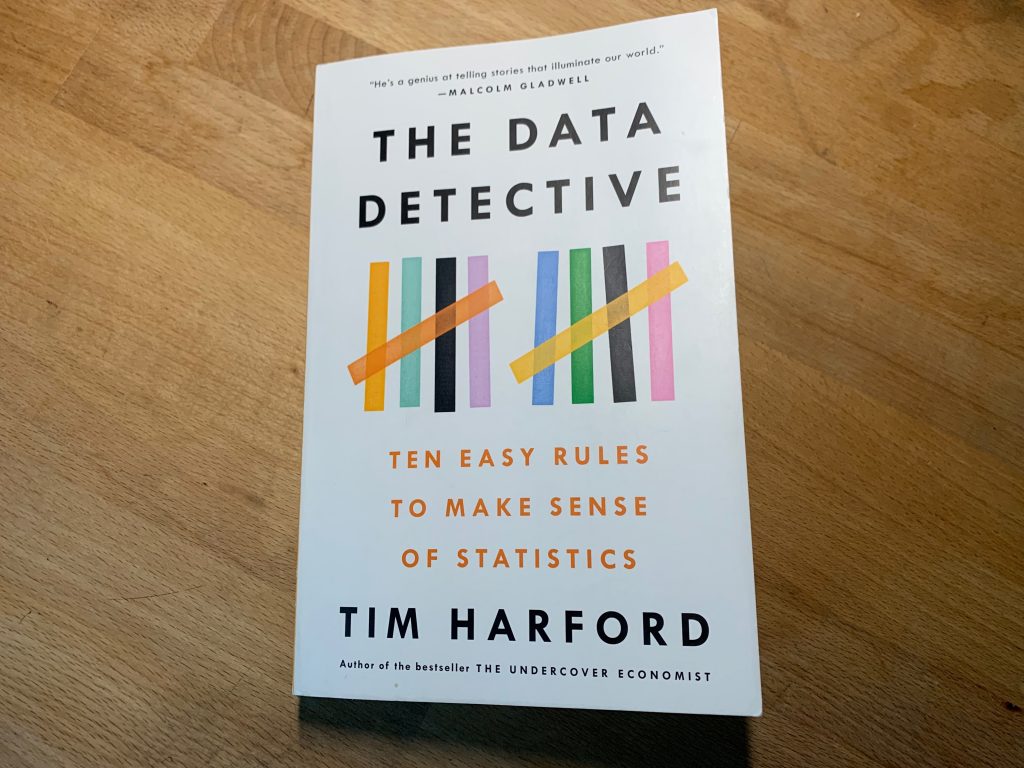
The Data Detective: Ten Easy Rules to Make Sense of Statistics follows on the Book Club’s obsession with statistics and good data analysis (here, here, here, and here). Good policy rests on good evidence. There are good sources, including the books linked above, that uncover misleading information, with clues to identify them, and that’s important.…
Read MoreCT healthcare quality just average, and not improving

The latest federal National Healthcare Quality and Disparities Report from the Agency for Healthcare Research and Quality is not flattering for Connecticut. Across 159 measures of quality, Connecticut was above the US average on 39, below average on 38, and average for the remaining 82. In worse news, we aren’t getting any better. Compared with…
Read MoreCT gets a C+ for maternal and child health

The new 2022 March of Dimes Report Card gives Connecticut just average marks on how well we care for new moms and babies. Preterm births happen before 37 weeks of gestation; 40 weeks is typical. While that’s not good, it’s better than the US grade of D+ at 10.5% preterm births. Massachusetts and New Jersey…
Read MoreCT’s best healthcare secret — CID’s Consumer Report Card

It may not attract the same enthusiasm as other holidays this time of year, but if you’re shopping for health insurance during this Open Enrollment season, you need this resource. As a health policy researcher, there are few better sources of information on how insurers are performing. The Consumer Report Card on Health Insurance Carriers…
Read MoreCT hospital readmission penalties higher than US, again
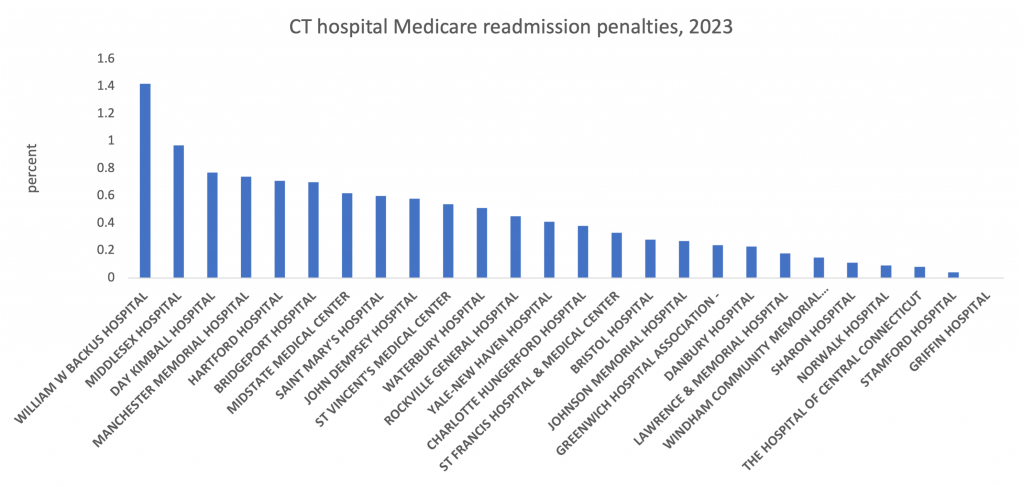
Even with an eased formula due to COVID, all but one acute care Connecticut hospital will be penalized by Medicare next year for higher-than-expected readmission rates. Next year, Connecticut hospitals will be docked by 0.456% on their Medicare payments, higher than the US average of 0.428%. Average Connecticut hospital readmission penalties have been higher than…
Read MoreStudy finds Americans living in liberal states, like CT, live longer but we can do better
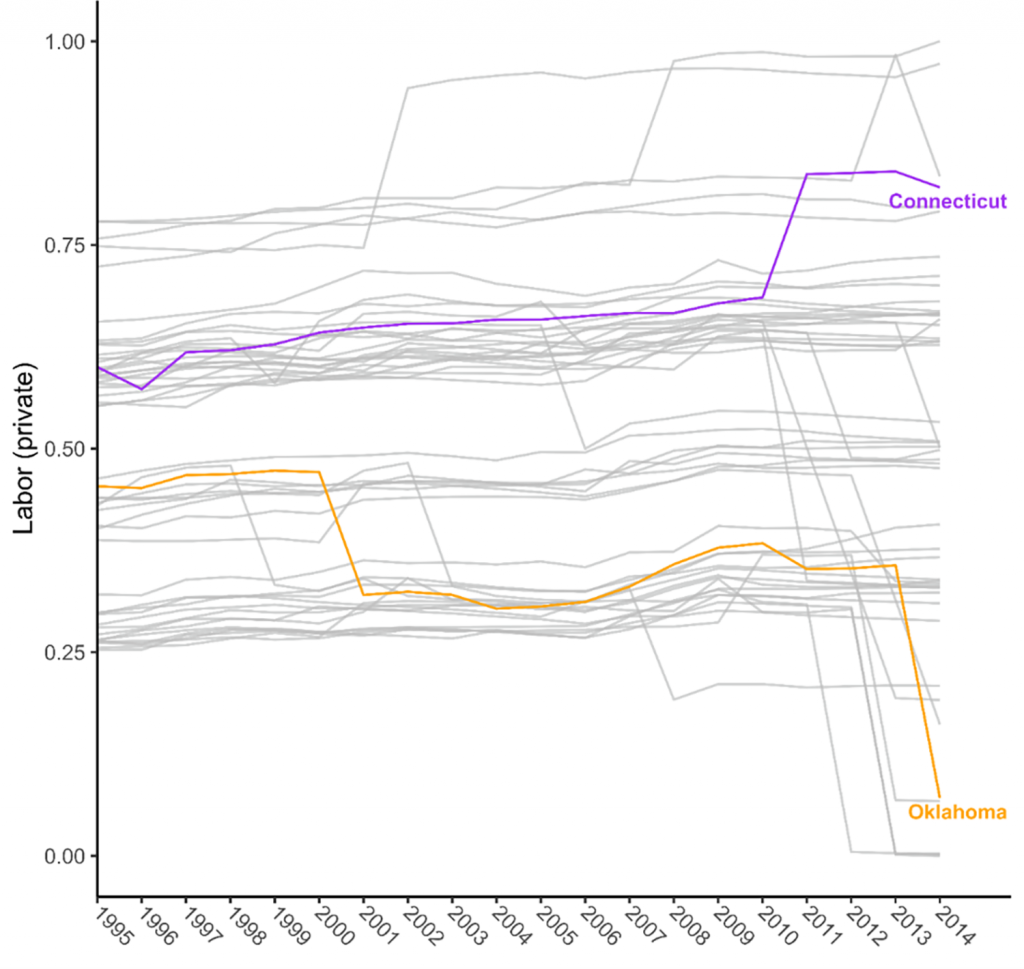
Recently, working-age Americans’ mortality has reversed its historic declines, largely due to lack of progress on heart disease, and rising deaths due to alcohol, suicide, and drug poisoning. A new study finds that from 1999 to 2019, mortality for adults ages 25-64 was lower in states with liberal policies, like Connecticut, and worse in conservative…
Read MoreDSS responds to advocates’ questions about HUSKY maternity bundles
More than one in three Connecticut births are covered by the HUSKY program, including some pregnancies at risk for poor birth outcomes. DSS has an ambitious plan to change the way providers are paid for those births. The goals are to improve equity, lower C-section rates, poor maternal outcomes, lower opioid-related pregnancy conditions, and reduce…
Read More