
providers
Plans for CT opioid settlement far better than our tobacco history

Connecticut is using our $300 million settlement from opioid lawsuits far better than we did with the 1998 tobacco settlement and similarly to our surrounding states, according to a cross-state analysis of opioid settlement details from Vital Strategies. The report gives details on the uses of the funds, who decides, public reporting requirements, and a…
Read MoreSummer reading — Rough Sleepers
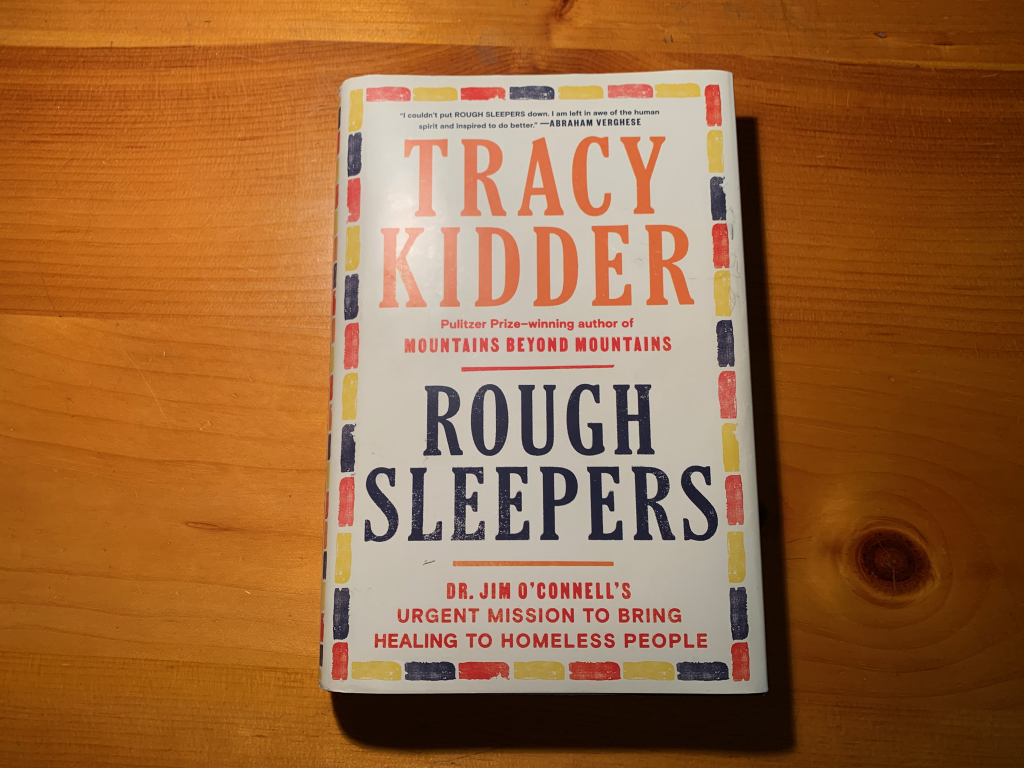
I thought I understood healthcare for the homeless, but I had a lot to learn. Rough Sleepers: Dr. Jim O’Connell’s Urgent Mission to Bring Healing to Homeless People describes Boston’s Healthcare for the Homeless Program by following Dr. Jim O’Connell’s career of caring for people who live, and sleep, on the streets. He ended up…
Read MoreOp-Ed: This Is Why CT Can’t Lower Healthcare Costs

After years of deliberation, Connecticut’s state plan to cap healthcare costs has finally identified the drivers of those costs in our state. But the Steering Committee, dominated by healthcare industries, still isn’t brave enough hold the overspenders accountable. They want the profitable industries to come up with ideas to lower their own costs (what could…
Read MoreGood-ish news: CT is 13th best state for nurses to work in

Wallet Hub finds that Connecticut is a pretty good state for nurses to work. But the researchers found a big difference between Opportunity and Competition for nurses – Connecticut was 34th – and Work Environment – Connecticut was 4th among states. Opportunity and Competition includes ten measures such as salary, demand for nurses, quality of…
Read MoreOHS seeks community input on YNHH purchase of three more hospitals

The Yale-New Haven health system has applied for permission from the state to buy Waterbury, Manchester Memorial, and Rockville General hospitals. The state Office of Health Strategy is seeking community input through a short survey about how this deal could impact healthcare services and costs. These three hospitals are currently owned by Prospect Medical Holdings,…
Read MoreReport finds Hartford Hospital got $78 million more in tax breaks than they invested in communities, 2020

In 2020, Hartford Hospital received $78 million more in tax breaks than they paid out in charity care and community investment, their “fair share” deficit, according to a new Lown Institute report. Hartford has the 19th largest deficit among the 1,773 US hospitals included in the study. According to the report, that $78 million could…
Read MoreOp-Ed: Artificial Intelligence can be the solution, when it isn’t the problem
Legislators want the state to evaluate the growing role of Artificial Intelligence (AI) in state agency decision making. As a tool, AI is neither good nor evil, it’s all about how it’s used. Badly done, AI can deny appropriate access to healthcare. But done well, it has the potential to improve care by removing individual…
Read MoreStudy finds only two thirds of CT patients getting primary care, 11th worst in US

Download the report A new study by Fair Health found that of Connecticut patients who had a medical visit from 2016 through 2022, one third (33.1%) had no claim for a primary care visit. Connecticut was 11th highest among states in patients missing primary care visits. At half of Connecticut’s rate, Massachusetts was the best…
Read MoreAnalysis: Are Connecticut Hospitals Losing Money? It Depends
Our state’s hospitals are hemorrhaging money according to the Connecticut Hospital Association. They report losses of $164 million last year. But state officials are pushing back, saying hospitals aren’t telling the full story and hospitals are the main driver of rising healthcare costs in Connecticut. It all depends on how you look at it. Read…
Read MoreInsurance Committee passes bills prohibiting anti-competitive health system practices

This morning, the Insurance and Real Estate Committee approved two bills that prohibit huge healthcare systems from using their monopoly power to jack up prices and insurance premiums. The Committee’s bill passed unanimously; the Governor’s bill that also includes an out-of-network price cap passed overwhelmingly. The Committee passed a similar bill last year. It passed…
Read More