HUSKY
More press and a defense on YNHH, clinics plan for New Haven primary care

Both concerns and support were raised at the public hearing about the proposal to close Yale-New Haven’s primary care clinics, move patients and YNHH clinicians to a more distant site, but technically transfer 28,500 patients to the Fairhaven and Cornell Scott Hill health centers. CTHPP testified with concerns about potentially substantial new costs to the…
Read MoreCTNJ: Analysis – Clinic plan could hit state budget, raise patient costs, increase barriers to access
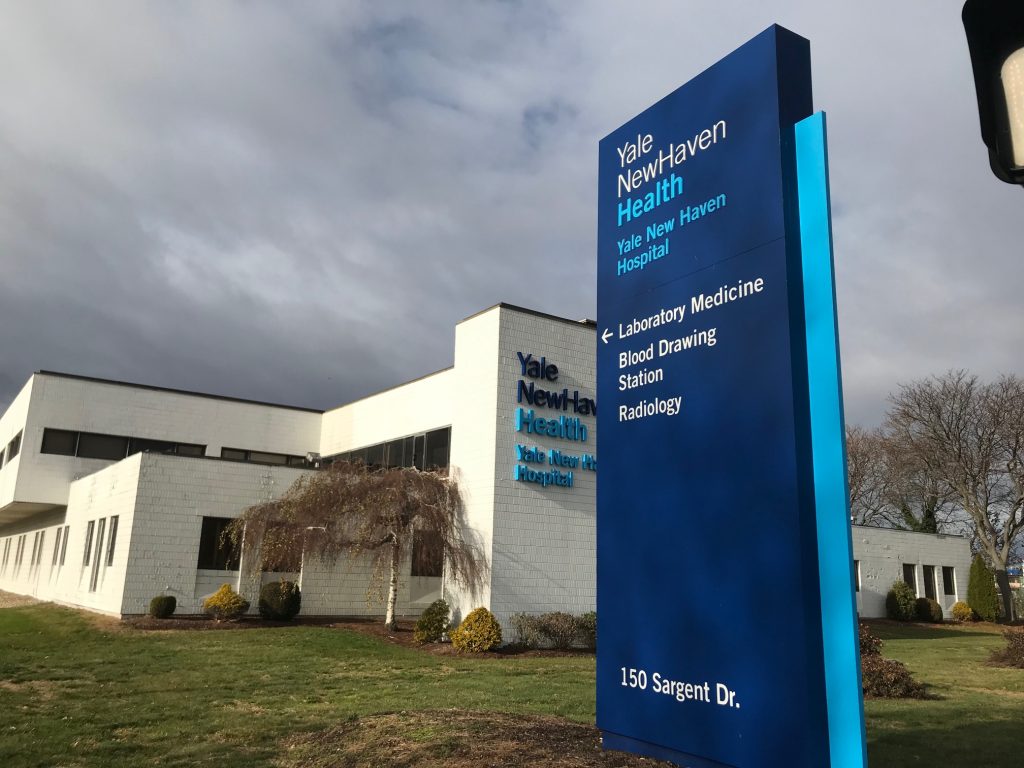
Last week the state Office of Health Strategy held a public hearing on a plan to transfer 28,500 mostly Medicaid patients, now served by three Yale-New Haven (YNHH) neighborhood primary care clinics, to a new site on Long Wharf owned by YNHH. But in a twist that could cost the state millions, those patients will…
Read MoreDisability advocates register serious concerns with SIM primary care capitation plan

On Friday, thirty consumers and advocates for people with disabilities sent a letter to Vicki Veltri and Mark Schaefer, CT’s SIM officials, expressing their concerns with SIM’s proposal to capitate primary care for everyone in CT. The signers are concerned about the potential to deny needed care, especially for people with complex medical conditions. Capitation…
Read MorePCMH+ quality reports surprisingly underwhelming

At the MAPOC and Care Management committee meetings we finally received the promised quality evaluation of PCMH +’s first year. PCMH+ is DSS’s experimental new payment program that now covers 165,432 HUSKY members. We only received information on the 13 mainly process measures. These measures were chosen as basis for shared savings payments, not for…
Read MoreAdvocates get no answers to questions about HUSKY experiment
Last month, a group of independent consumer advocates, the Medicaid Study Group, sent questions to DSS about the impact of PCMH Plus, their new $10.8 million experimental program of shared savings in HUSKY. Advocates have been concerned about PCMH Plus’s potential to deny needed care, raise costs in the program, and erase hard-won progress. Questions…
Read MoreMedicaid update: LTSS working to keep people out of nursing homes, hospitals

Friday’s Medicaid Council meeting focused on rebalancing long term services and supports allowing more members to stay at home, if they choose, and improve quality of life. Recipients of LTSS services comprise 6% of Medicaid members but 43% of costs. On average community-based care is less costly. The comprehensive strategy that began with a 2013…
Read MoreMedicaid update: Enrollment numbers coming finally, highlighting progress
Friday’s Medicaid Council meeting focused on enrollment numbers and reviewing achievements in the program. DSS outlined challenges that have delayed reporting enrollment numbers for two years and their new system for reporting the numbers. Rather than getting enrollment reports on paper as in the past, DSS is posting the data on CT Open Data. Visitors…
Read MoreCT excels at getting Medicaid-eligible families enrolled

A new study finds that 96.3% of CT children eligible for HUSKY participated in the program in 2016; we are tied for seventh among states. The US average is 93.7% for all states; 94.9% for states, like CT, that expanded Medicaid under the Affordable Care Act. Even better, CT ranks fourth among states in enrolling…
Read MoreLidocaine patch leads CT Medicaid drug spending

According to the latest data visualization from 46brooklyn, CT’s Medicaid program is spending a lot on lidocaine patches. Lidocaine is a local anesthetic that relieves nerve pain. Over the last three available quarters (Q3,4 2017 and Q1 2018), Lidocaine patches have topped CT Medicaid’s list of 25 most costly medications. This medication isn’t on the…
Read MoreCTNJ: Capitation vs. fee for service: Which team are you on?

is a sharp divide within Connecticut’s healthcare community over how to pay for care that’s as fervent as the Yankees vs. Red Sox split. Some believe that capitation is the holy grail, but others believe that fee for service isn’t the problem and isn’t broken. Read more
Read More