HUSKY
2019 Connecticut legislative session – what happened and what didn’t happen

Download the full report Connecticut’s General Assembly debated an unusually large number of health-related proposals this year. Some were new and some have been debated for years. Some passed, some were rejected, and some are on hold for next year. As of this writing, only the minimum wage increase bill has been signed into law…
Read MoreState budget deal restores coverage for 4,000 HUSKY parents, a move toward quality-based payments, and insurance protections

Policymakers have reached a $43 billion state budget deal to cover the next two fiscal years, on-time before the end of the session. For health policy folks, there is a lot to like in the deal but a few notes of caution. The best part is a partial restoration of HUSKY parents’ eligibility cuts from…
Read MorePublic option gone but good pieces remain

Negotiations over a public health insurance option in CT have broken down but other good parts of the deal remain. Reportedly, there is a budget agreement to restore HUSKY eligibility for some of the 11,000 working parents cut in 2016. DSS reports found that the large majority of the low-income parents cut from HUSKY were…
Read MoreYNHH transportation plan for controversial primary care shift troubling, concerns remain

Monday, Yale-New Haven Health System answered the state’s eighth set of questions about their controversial application with the Hill Health and Fairhaven Health Centers to move primary care for 25,000 mainly low-income New Haven area residents out of the current neighborhood sites to Long Wharf. Among many concerns voiced by patients, advocates and community leaders…
Read MoreAdvocates offer recommendations for Medicaid shared savings future

The first year of Connecticut Medicaid’s PCMH Plus experiment in shared savings was disappointing. The program cost the state at least $1.3 million extra tax dollars and quality did not improve compared to Medicaid members outside the program. Every Accountable Care Organization (ACO), regardless of savings or quality improvement, was rewarded with a payment. The…
Read MoreAppropriations Committee passes their budget proposal — Still mixed news, but better

Tuesday, the Appropriations Committee passed their version of the 2019-2021 state budget on a party line vote. While they mainly agreed with the Governor’s proposal from February, they did improve in some areas. Good and better news – The committee agreed with the Governor not to cut eligibility for HUSKY parents or the Medicare Savings…
Read MoreBetter, safer ideas to support primary care in Connecticut

Download the report Primary care is the foundation of the health system. It is, or should be, patients’ first interaction with the healthcare system for non-urgent issues. There is strong evidence that care coordination linked to primary care practices, such as patient-centered medical homes (PCMHs), foster improved health while lowering costs.[i] Areas with more primary…
Read MoreCTNJ op-ed – Advice From an Advocate to the Next Social Services Commissioner

Welcome, you have a big job ahead of you. Connecticut’s Department of Social Services (DSS) is a huge agency, spending $8.4 billion this year for programs that impact many lives. As a healthcare advocate who has spent decades trying to move your agency and your predecessors, with mixed results, you have a difficult job. Luckily…
Read MoreMore questions for YNHH about controversial primary care proposal
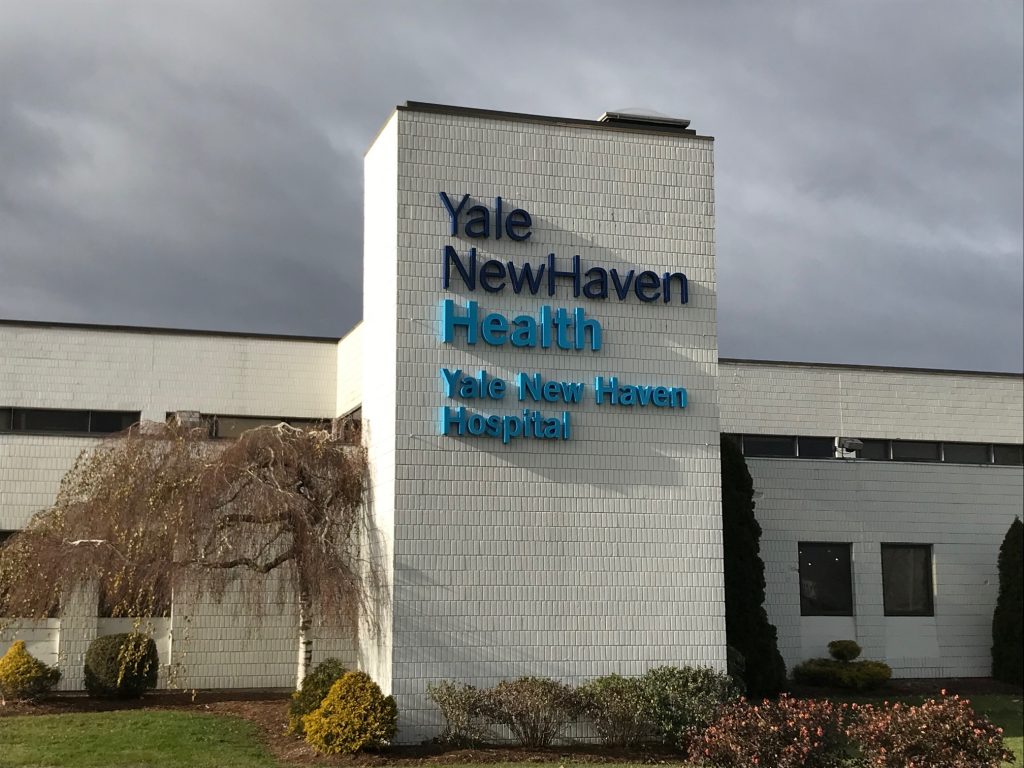
Yesterday, the state Office of Health Strategy sent their eighth set of questions about the controversial application of Yale-New Haven Health System and their community health center partners to move primary care for 28,500 mainly low-income New Haven area residents out of the current neighborhood sites to Long Wharf. Among others, critical concerns have been…
Read MoreSIM primary care capitation proposal gets another tepid reception
This week, SIM presented to the Healthcare Cabinet their proposal to capitate primary care, initially for Medicare members, but eventually for all state residents. The proposal is to move primary care to capitated “bundles” – one for basic primary care services and a voluntary, supplemental payment for expanded activities such as infrastructure and HIT and…
Read More