Health Coverage
Median income CT residents squeezed between rising insurance premiums and inadequate subsidies

A new CMS analysis finds that between 2015 and 2019, US insurance premiums rose while enrollment in insurance exchanges went down. The report found that 85% of the drop in enrollment was in unsubsidized coverage. People with incomes below 400% of the federal poverty level ($51,040 for an individual, $86,880 for a family of three)…
Read MoreAmericans are getting non-emergency care again, but progress varies
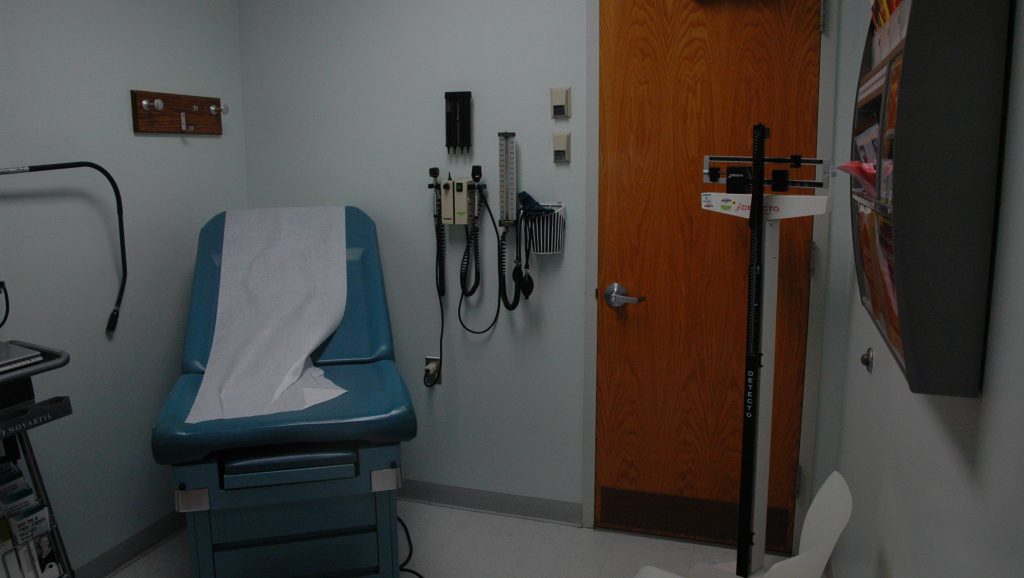
In good news, Americans are getting preventive and maintenance care visits, according to an analysis by the Commonwealth Fund. But progress is not even. While visits to dermatologists and for adult primary care are higher than before the pandemic, unfortunately behavioral health care visits and visits for young children have not rebounded. This is particularly…
Read MoreMedicaid rolls up 3.9% since February
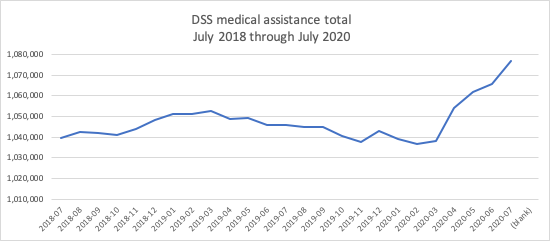
The number of people getting medical assistance through the state is up by 40,158 or 3.9% from February to last month, according to new numbers from DSS. This was expected as people lose jobs and the employer-sponsored coverage that comes with those jobs. With less income more state residents were expected to qualify for Medicaid.…
Read MoreBook Club: Deaths of Despair and the Future of Capitalism

By Anne Case and Angus Deaton Reversing a century of progress, life expectancy has fallen for three years in a row but only in the US. Rising rates of suicide, drug overdoses and alcoholism are largely to blame. There were early media reports about the trend, but this detailed yet readable book goes much farther.…
Read MoreCost Cap committee considers who qualifies for increased primary care spending
In response to stakeholder feedback that the prior Cost Cap levels were unrealistic and risk unintended harm to patients, at their last meeting the Office of Health Strategy’s Cost Cap committee slightly softened the cap levels. The committee continued their discussion of which providers qualify as primary care providers. OHS wants to significantly increase the…
Read MoreHelp for CT’s uninsured

With the recent spike in unemployment, many more Connecticut residents will be joining the thousands that were uninsured pre-COVID looking for healthcare coverage. The state has some new options to help. Check AccessHealthCT. You may be surprised to find that you qualify for HUSKY which is comprehensive, free, and includes most Connecticut providers. You may…
Read MoreCTNJ: Forecast Estimates More Than 100,000 New CT Medicaid Members
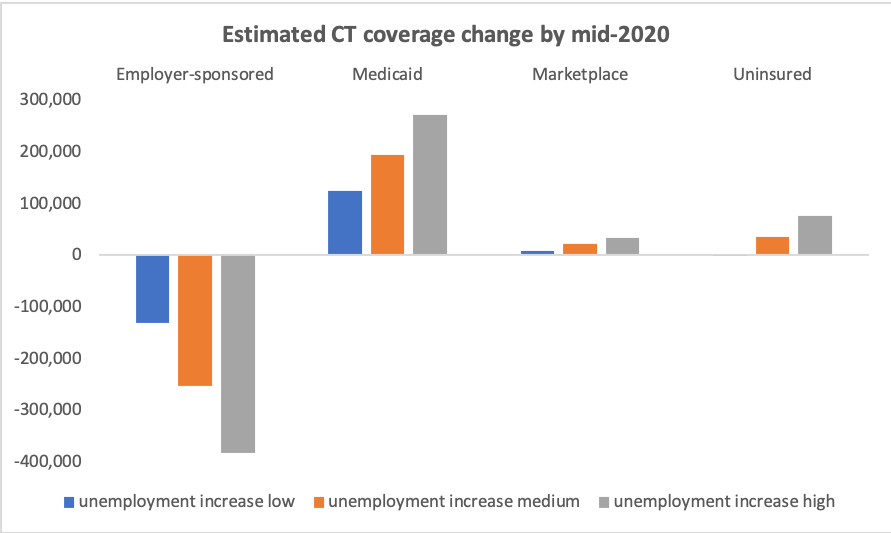
According to modeling by Health Management Associates, the COVID-19 pandemic could raise Connecticut’s Medicaid rolls 15% to 32% by mid-2020, depending on how much unemployment grows. Connecticut residents with employer-sponsored coverage could drop by 130,000 to 382,000 and Access Health CT coverage could grow by 8,000 to 33,000. Uninsured could rise by 77,000. Read more
Read MoreIs Connecticut ready for COVID-19?

Almost half (45%) of Connecticut adults have one or more clinical risks that could complicate COVID-19 infections, very close to the US average of 44%, according to a new report from the Commonwealth Fund. The report compares states across clinical risk factors of adults, state health system capacity, insurance coverage and other cost barriers to…
Read MoreNew state health data updates – over one in six CT residents have high medical cost burden

According to State Health Compare’s updated data, 18.1% of Connecticut residents had out-of-pocket health costs that were more than 10% of their family income in 2018. That is up from 17.8% the year before while the burden on the rest of the US went down. While Connecticut’s rate is bad, it’s better than the US…
Read MoreIs CT healthy or not? Different rankings with different messages

Health rankings are all about definitions and what you measure — an important lesson with broad implications. A new health ranking of US cities by Wallet Hub is not great news for Connecticut. Of America’s 174 most populous cities, Bridgeport is #88 and New Haven is #98. Five cities in surrounding states are healthier than…
Read More