
drugs
HUSKY COVID update – new enrollments lag, lots of money to providers, and telehealth is very popular

At Friday’s Medicaid Council meeting, we learned that while new HUSKY applications recovered last fall from its drop last spring, they fell again sharply this January and February. The reasons for the volatility during a serious recession are unclear. DSS focused on how HUSKY has responded to the COVID pandemic. Now covering over a million…
Read MoreOpinion: Innovation isn’t helpful if we can’t afford it

In today’s CT Mirror, Jay Gironimi rebuts an opinion supporting the pharmaceutical industry and explains how extreme drug prices are hurting patients. Jay is supporting the Governor’s bill to tax excessive drug price increases years after the companies have recovered their research costs. Jay has Cystic Fibrosis and needs 10-12 medications daily so he can…
Read MoreCTNJ Op-Ed – Drug Innovation Argument Cuts Both Ways

In his recent op-ed, John Burkhardt of Pfizer misses important points when he asserts that the governor’s proposed tax on excessive prescription drug price increases will harm innovation and jobs in Connecticut. He ignores that rising drug prices are making health insurance unaffordable. Overpriced drugs inhibit other innovation and job growth across Connecticut’s economy. He…
Read MoreState Partnership Plan losing money but still more expensive than average CT plan options
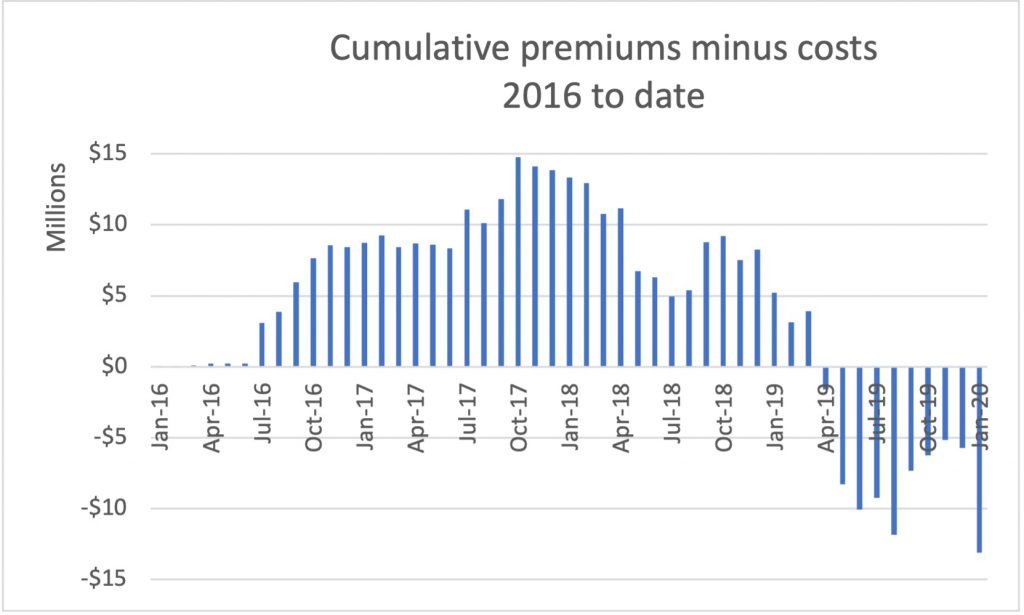
Download the report Connecticut’s most recent public health insurance option, the Partnership Plan 2.0, offers healthcare coverage to municipal employees. According to a new analysis by Brown & Brown Insurance, Partnership Plan premium increases have not kept up with costs. The very impressive analysis is based on Freedom of Information requests; very little information on…
Read MoreCTNJ: If The COVID Vaccine Is Free For Patients, Who Is Paying For It?
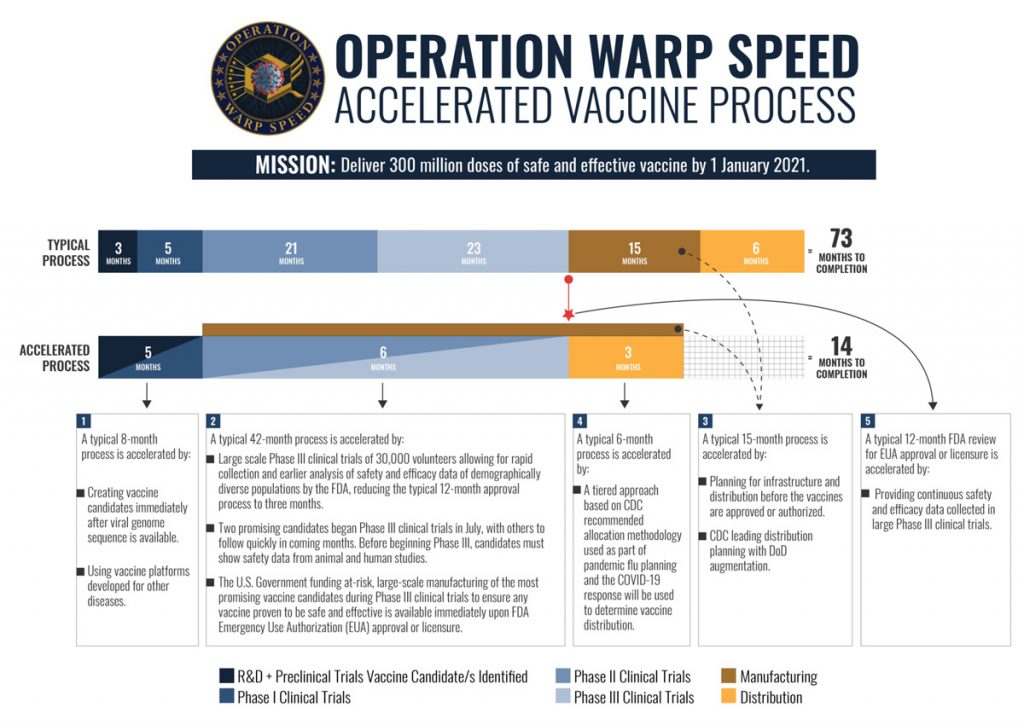
Federal law ensures the COVID vaccine will be provided to every American at no cost. So who is paying for it? Because it’s healthcare, the answer is complicated and we are all paying for it – mostly through taxes and a bit through our insurance premiums. Read more
Read MoreCTNJ: OP-ED | State Should Set Uniform, Public Standards For Rationing Health Care
Disparities in healthcare are not new in our state, but the pandemic has intensified the unfairness. The aged, people with disabilities, and communities of color have been especially hard hit by the virus and the recession. Unfortunately, a striking example of that increased unfairness is reflected in Connecticut hospitals’ policies for rationing scarce resources during…
Read MoreUnjustified price increases for seven drugs in 2019 cost US healthcare $1.2 billion, CT can remedy this

According to a report released today, in 2019 the US health system spent an extra $1.2 billion on price increases for seven drugs that were not supported by clinical evidence. Enbrel led this year’s list costing Americans $403 million extra for an 8.9% net price increase, after accounting for rebates. The Unsupported Price Increase report…
Read MoreCT got fewer vaccines than other states, but did far better at getting people vaccinated
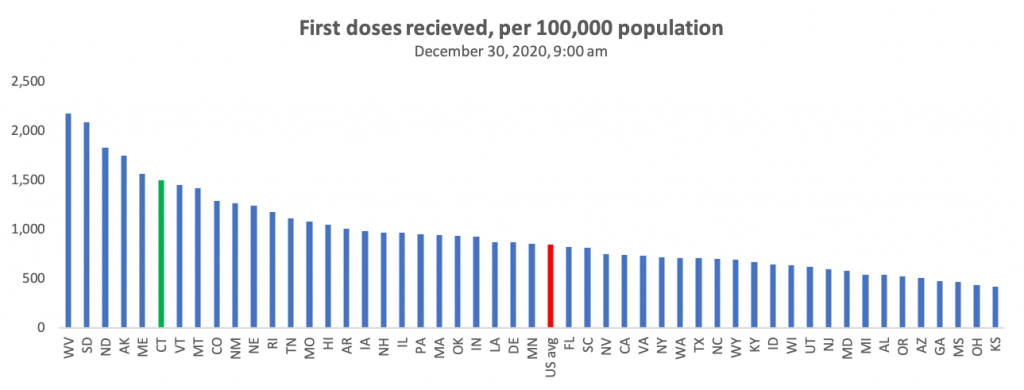
Download the report here Policymakers and experts have expressed disappointment at the slow rollout of the COVID-19 vaccines. While the vaccines were developed and manufactured at record speeds, getting Americans vaccinated has been slower than expected. The Secretary of Human Services expected to have 20 million Americans vaccinated by the end of 2020. But as…
Read MoreTop Stories of 2020

A year ago, our predictions for 2020 missed all but the recession. COVID has us giving up on predictions, so we’ll just take a look back at our top stories of this year. Advocacy Toolbox now online — Updates include specific, real world tools for legislative, administrative, and state budget advocacy, how to change public…
Read MoreICER seeking members for New England evidence review group

The Institute for Economic and Clinical Review (ICER) is seeking nominations for new members to the New England Comparative Effectiveness Public Advisory Council (New England CEPAC). The Council includes leading clinicians, patient and consumer advocates, methodologists, and health economists. The group holds public meetings three to four times per year to discuss evidence reports on…
Read More