Care Management
PCMHs in CT – not the “shiny new toy” anymore but moving forward improving care, controlling costs
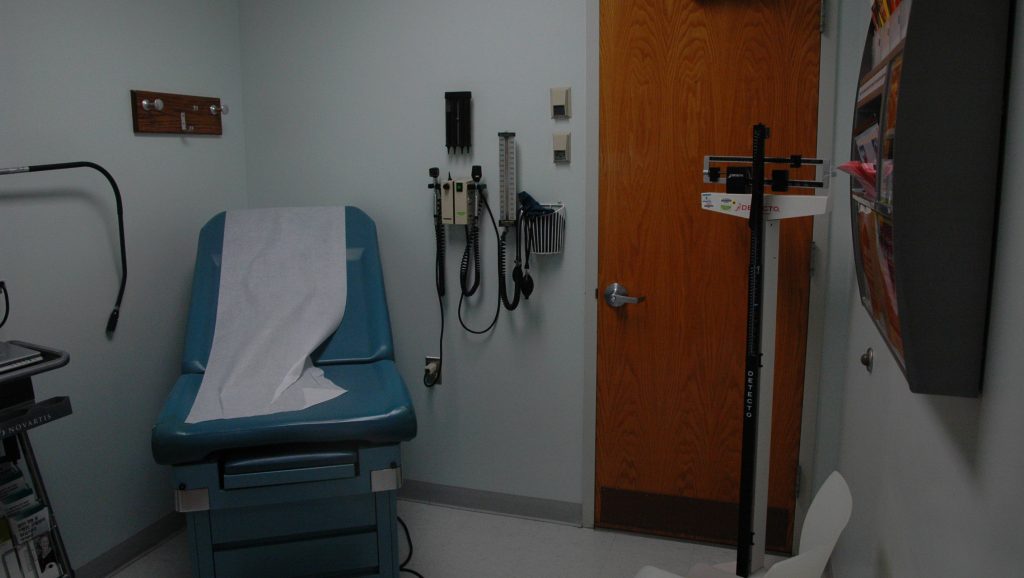
Ten years ago, patient-centered medical homes (PCMHs) were exotic in Connecticut. PCMHs are one of the best documented innovations to improve health. PCMHs are primary care practices that help keep people well by assessing needs, coordinating care, and giving people the skills and resources to maintain their own health. As a nurse managers told me,…
Read MoreNew PCMH + plans overlook past problems

Wednesday DSS and Mercer unveiled their thinking about plans for Wave 3 of PCMH Plus, Medicaid’s controversial shared savings program. Results from PCMH Plus’s first year, Wave 1, were disappointing with increased state costs and little evidence of improvement in quality. Based on the problems identified in Wave 1, advocates made recommendations to fix those…
Read MoreAdvocates offer recommendations for Medicaid shared savings future

The first year of Connecticut Medicaid’s PCMH Plus experiment in shared savings was disappointing. The program cost the state at least $1.3 million extra tax dollars and quality did not improve compared to Medicaid members outside the program. Every Accountable Care Organization (ACO), regardless of savings or quality improvement, was rewarded with a payment. The…
Read MoreBetter, safer ideas to support primary care in Connecticut

Download the report Primary care is the foundation of the health system. It is, or should be, patients’ first interaction with the healthcare system for non-urgent issues. There is strong evidence that care coordination linked to primary care practices, such as patient-centered medical homes (PCMHs), foster improved health while lowering costs.[i] Areas with more primary…
Read MoreSIM primary care capitation proposal gets another tepid reception
This week, SIM presented to the Healthcare Cabinet their proposal to capitate primary care, initially for Medicare members, but eventually for all state residents. The proposal is to move primary care to capitated “bundles” – one for basic primary care services and a voluntary, supplemental payment for expanded activities such as infrastructure and HIT and…
Read MorePCMH+ update: discussions ongoing to fix problems
At yesterday’s MAPOC Care Management Committee meeting, DSS and Mercer reported on their plans for PCMH+, the controversial shared savings Medicaid program. A workgroup has been meeting at DSS to drill down on what didn’t work. DSS has lobbied the Governor to include a new Wave 3 to update the current program in his budget…
Read MoreCTNJ: ACOs may be the new HMOs, And they need a watchdog

Care for a growing number of Connecticut residents is being directed by an Accountable Care Organization (ACO) and very few patients know it. Read more
Read MoreSeven years later, Connecticut Medicaid still saving taxpayers money

Download the report As with most health care in Connecticut, Medicaid spending was rising quickly before 2012 growing by almost half over the prior four years. But in 2012, Connecticut made a remarkable and unique move — Medicaid switched from a capitated payment model using private insurers to a care coordination-focused, self-insured payment model. Since…
Read MoreMixed results from great study on Medicaid behavioral health interventions

Yesterday’s MAPOC Complex Care Committee meeting focused on results of an adult high behavioral health need member initiative by Beacon, Medicaid’s behavioral health administrator. The program serves high utilizers of hospital services with behavioral health needs providing intensive care management by teams of clinicians and peer specialists. Medicaid members with high behavioral health needs were…
Read MoreComments to DSS opposing increase in PCMH Plus funding for program that didn’t improve quality and increased state costs
Read the full comments Thank you for this opportunity to oppose this amendment to add an additional $600,000 to the growing costs of PCMH Plus, the experimental new Medicaid shared savings program. The state cannot afford to spend more on this program that, in 2017 its first year, did not improve the quality of care…
Read More