
ACOs
Analysis: Despite the name, value is not the solution for raging healthcare costs

The murder of a United health executive has intensified very strong reactions to America’s broken healthcare system. Unfortunately, too many opportunists are using this tragedy to push a tired, failed agenda – value-based care and its corollary, Accountable Care Organizations (ACOs). Read more
Read MoreWandering around in OHS’s databases – lots to learn and a surprise

Our state Office of Health Strategy has several impressive portals and dashboards to explore their trove of data and other information. They include healthcare affordability, ED visits, quality ratings, facility plans, self-sufficiency tools, hospital finances, prescription drug costs, and Race, ethnicity and language data. Visitors can sort the data by service, payer, age, gender, and…
Read MoreHUSKY maternal health bundle questions 2.0

Based on DSS’s MAPOC presentation Friday on plans for maternity bundled payments, the CT Health Policy Project submitted some questions about the plan. The commendable goals of the plan are to improve health outcomes, equity, quality, and access to care while controlling costs through care management and greater efficiency. DSS plans to pay obstetrics practices…
Read MoreSix common myths about healthcare and three reasons why people believe them
Healthcare is complicated, people are easily confused, and there are powerful motivations to believe the many misconceptions. I was reminded of this at the last meeting of the industry-led group that is steering the state’s efforts to control healthcare costs. But the problem isn’t limited to industry representatives. Read more
Read MoreReport estimates CT will be short 5,700 healthcare providers by 2028, but far better than other states

Download the analysis A new report from Mercer estimates shortages, and surpluses, in critical health care provider categories in 2028 by state. There is wide variation between states in demand. In good news – Connecticut’s projected shortages are limited and fairly modest. New York, however, is in serious trouble. Across five critical categories, the researchers…
Read MoreCT Mirror Opinion: Keep MCOs out of HUSKY health care

“In the past, managed care organizations were a disaster for Connecticut’s Medicaid program“ Former legislator, Medicaid provider, member of Medicaid’s state oversight council, and champion for member access to care who lived through the MCO years, Vickie Nardello says, “ I strongly disagree with Gov. Ned Lamont’s plan to bring managed care organizations (MCOs) back…
Read MoreHUSKY evaluation call is broad; Includes MCOs but is not biased
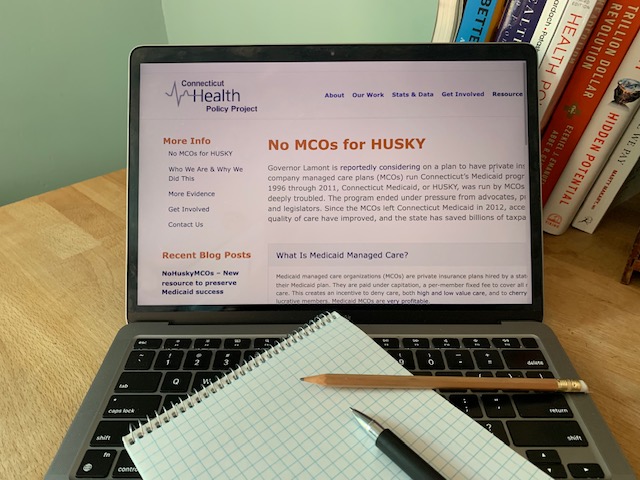
Updated August 15, 2024 with Questions and Answers to DSS Last month, DSS released their promised request for quotes (RFQ) from current contractors to evaluate Connecticut’s Medicaid program. (Questions from potential RFQ applicants and DSS’s answers are here.) The RFQ includes important broad priorities that are shared by advocates and other stakeholders, including an evidence basis…
Read MoreBook Club: Random Acts of Medicine
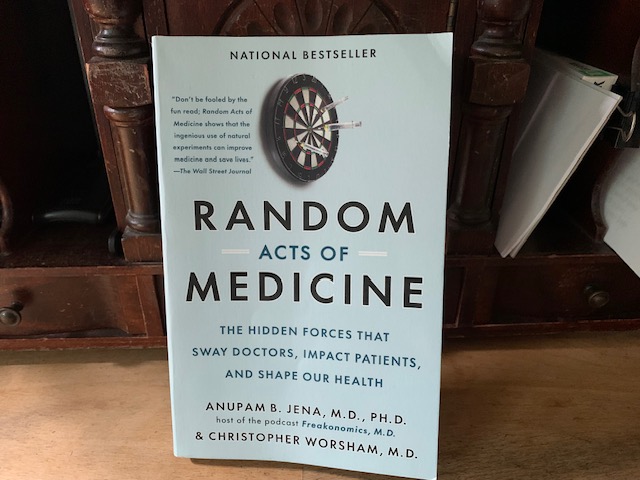
Deliberately randomized experiments in medicine and health policy are usually not possible, or even moral. But with increasingly available data and random changes in circumstances, natural experiments can teach us a great deal about what works and what doesn’t. Random events have a huge impact on our health, more than we’d like to acknowledge. Random…
Read MoreDSS gets input for Medicaid landscape survey

At last week’s MAPOC meeting, DSS announced they will be hiring a consultant to survey the Medicaid landscape assessing options for improvement, including MCOs. Advocates, legislators, and other stakeholders have publicly registered their opposition to returning the failed MCO model to our successful HUSKY program. At the meeting DSS requested input on the criteria consultants…
Read MoreCT Healthcare Explained is updating

We are taking on the massive project of updating CT Healthcare Explained. We just finished the Workforce chapter, including updated numbers and wages for the broad range of people who provide healthcare. We’ve included trends, shortages, disparities, and changes happening and recommendations for improvement. We updated Healthcare Costs last month. Hospitals are next. Connecticut’s healthcare…
Read More