
Health Coverage
Connecticut health care coverage continues slow shift from private to public coverage

Download the report The latest numbers from the US Census on US health coverage in 2022 found that, as in the past, most Connecticut residents are covered through an employer-sponsored plan. Publicly-funded Medicare and Medicaid each cover about one in five Connecticut residents. While employer-sponsored coverage has slowly declined since 2008, public programs have grown,…
Read MoreAnalysis: Governor’s healthcare budget is a mixed bag

In his new budget proposal, Gov. Ned Lamont and his administration have continued their commitment to making healthcare in Connecticut more affordable. They understand healthcare’s large and growing burden on state residents, employers, and taxpayers. They also understand the challenges, given Connecticut’s historically poor record on reforms. Some proposals make sense, and some are more…
Read MoreMaking it work: Connecting medical and social care in Waterbury
As healthcare costs skyrocket, policymakers are searching for ways to improve the social drivers of poor health with little success. The problem is that the medical system has all the money, while community services manage on shoestrings, and they don’t connect with each other. Some innovators in Connecticut are doing the work to connect the…
Read MoreCT again among healthiest states overall, but with big areas of concern

Connecticut ranked 4th healthiest among states in this year’s America’s Health Ranking, from the United Health Foundation. We were the best state in climate policies, childhood immunizations, and adult dental visits. But we were in the bottom on other indicators. Connecticut is in a very healthy region of the US, with New Hampshire (#1), Massachusetts…
Read MoreAnalysis: Healthcare defies softening labor market
The post-COVID hot labor market is cooling in Connecticut and across the US. While some industries are still seeking qualified workers, others are fully employed or even laying people off. But healthcare hiring is still scorching hot, with no end in sight. It’s increased demand for care but also the stresses of the job. Read…
Read MoreBook Club: Healthy Voices, Unhealthy Silence: Advocacy and Health Policy for the Poor

It was difficult to read Healthy Voices, Unhealthy Silence by Colleen Grogan and Michael Gusmano; thankfully it is short. It explores Connecticut’s adoption of managed care for Medicaid in 1996. The picture it paints is not flattering. Published in 2007, I’m embarrassed that I hadn’t seen this book before now. The authors track the implementation…
Read MoreICER fair access report finds improvements but problems with transparency

ICER’s third annual Barriers to Fair Access report found that most prescription drug coverage policies met fair rules for patient access. This is an improvement over previous years suggesting that transparency and public sunlight works. But the report also found that policies needed more transparency and are too complex. Policies on which patients are eligible…
Read MoreBook Club: We’ve Got You Covered

I wasn’t looking forward to reading yet another book promoting yet another idea to solve America’s broken healthcare system. But it’s my job, so I dove into We’ve Got You Covered: Rebooting American Health Care by Liran Einav and Amy Finkelstin. I’m a convert now – mostly. The first half of the book is the…
Read MoreCT commercial insurance enrollment down 5%; several possible explanations
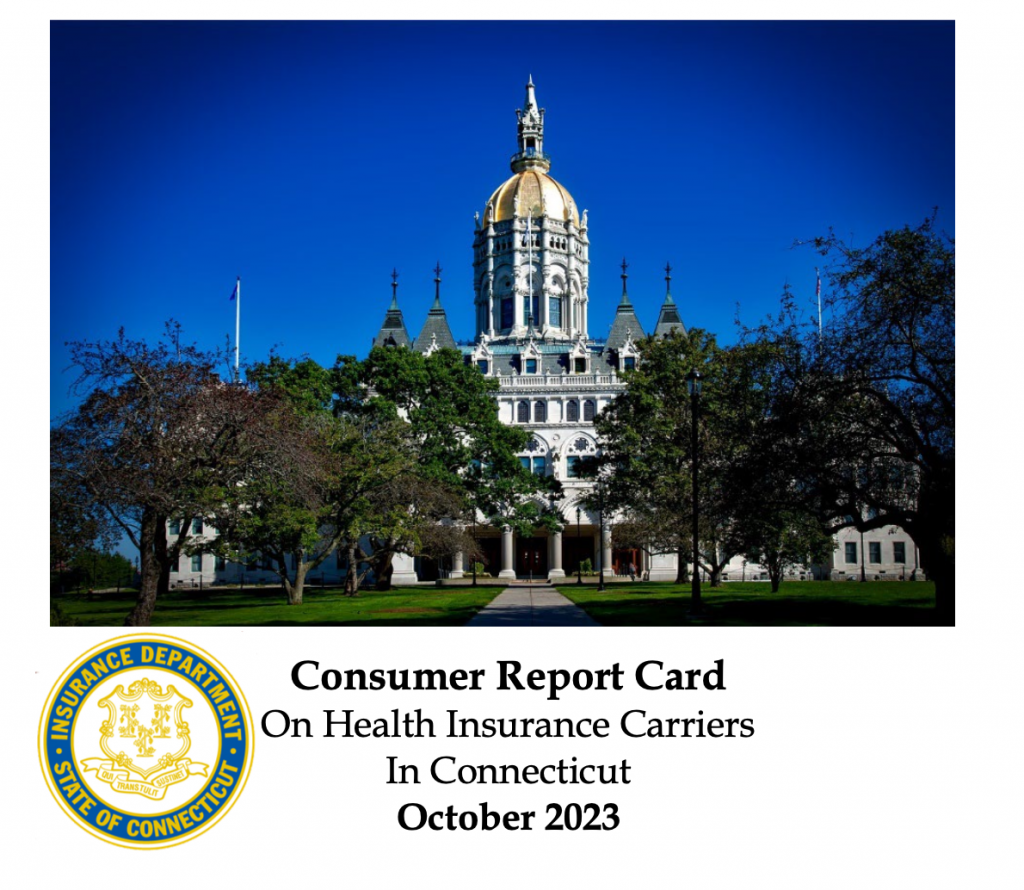
Download the report Last year, total enrollment in Connecticut’s commercial managed care plans was 1,666,972. That was down by 85,019 from 2021 at 1,750,904, according to the this year’s Consumer Report Card from the CT Insurance Department. The drop in enrollment was almost entirely from large group plans with over 50 members and spread across…
Read MoreHealthcare for CT residents with developmental disabilities speaker series – Webinar #2

Following up on the first webinar with national experts on healthcare access for people with developmental disabilities, the second webinar in the Fall Series will focus on Connecticut. It will be Tuesday, October 3rd at 1:00pm and include results of a survey of state residents with lived experience and their experience of accessing healthcare and…
Read More