
consumer info
Sign on letter voices deep concerns with primary care capitation

Today twenty-five independent advocates and providers signed a letter to the Office of Health Strategy opposing capitation of primary care services across Connecticut. The letter shares serious concerns with the Office of Health Strategy’s (OHS) plan to shift all primary care in Connecticut to a capitated payment model. The current concerns echo advocates’ and legislators’…
Read MoreConnecticut hospital systems vary in reducing low-value care
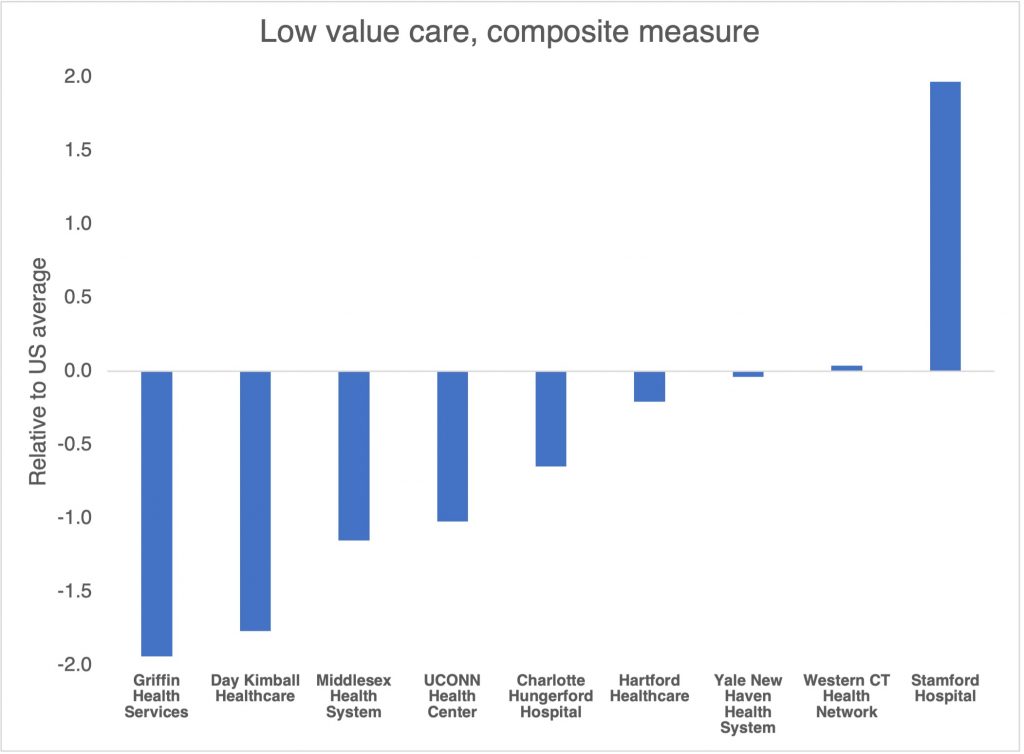
A new report published in JAMA Internal Medicine on low-value care provided to Medicare beneficiaries at the health system level offers actionable tools to improve effective care on the ground. Healthcare services that provide little or no health benefit, may harm patients, increase costs, and waste resources are low-value. Examples include prostate specific antigen testing…
Read MoreOnly one CT hospital makes social responsibility honor roll

Among Connecticut hospitals, only William Backus received A’s on health equity, the value of care, and health outcomes, according to the latest Lown Institute Hospital Social Responsibility Index. Backus ranked #71 among US hospitals overall. The Index scores over 3,000 US hospitals on their performance in responsibility to their community. Seventy-five US hospitals, including Backus,…
Read MoreCTNJ: Covered Connecticut is a good start, but needs tending

Policymakers were challenged this year to find an answer to voters’ demands for affordable healthcare coverage options. Both leading legislative proposals, a public health insurance option and restoring previous cuts to HUSKY parent coverage, had drawbacks and neither passed. The administration, together with the insurance industry, developed an alternative behind closed doors that did pass.…
Read MoreCovered Connecticut – Origins, Goals, Opportunities, and Concerns

Read the brief Covered Connecticut is a new program to cover uninsured state residents with no-cost health insurance coverage through Access Health CT, Connecticut’s health insurance exchange. The program leverages federal subsidies, some of which are temporary, and an anticipated Medicaid waiver to offer state residents combined with state funds. Some services, missing from exchange…
Read MoreRoom for improvement on CT health risks

Download the report Connecticut adults’ health risks are largely similar to the US average, but that’s not great news. According to the latest CDC survey of American adults, Connecticut ranked better than other Americans on most health risks in 2019. In most cases, we are only slightly healthier. We did exceed the US average in…
Read MoreNew healthy aging data report finds CT growing older in every community

Connecticut is the 7th oldest state in the country, according to a new analysis by UConn Boston and Tufts Health Plan Foundation, with 23% of state residents over age 60. The challenges of aging are not evenly spread across the state. Visit the site to see how seniors in your town/city compare to the state…
Read MoreCTNJ: Insulin – Once a Gift, Now Serving Greed

Today is the hundredth anniversary of the discovery of insulin. Diabetes affects about 367,000 adults in Connecticut and that number is rising. Before the 1920s, a diabetes diagnosis was a death sentence. The discovery of insulin allowed people with diabetes to live their lives. Until the 1970s insulin was affordable, but it’s now so costly…
Read MoreAdvocacy Toolbox Addition — Social media for advocates

Social media has become an important tool for advocates. It can be a powerful way to connect with other people advocating on your issue and with elected officials. But it can be overwhelming, and a bit scary. We’ve added a new page to the CT Health Advocacy ToolBox distilling best practices for busy advocates to…
Read MoreGood and bad Medicaid PCMH, PCMH Plus updates

At today’s MAPOC Care Management Committee, we learned that Medicaid’s successful Patient-Centered Medical Home (PCMH) program is growing and keeping up with higher enrollment due to COVID. In disappointing news, we also learned that the controversial PCMH Plus program has fewer care managers than expected and only 36% of ACO member advisory committees have any…
Read More