Posts by Ellen Andrews
JAMA highlights CT bill to limit extreme drug price increases

A recent JAMA article highlights bills to reduce drug price increases across states, including Connecticut’s bill. The bills call for clawing back 80% of drug price increases over inflation plus 2% — a healthy profit that many industries would happily welcome. Other states also considering bills include Massachusetts, Maine, Washington, and Hawaii; more are expected…
Read MoreCTNJ: OP-ED | Drug Affordability Requires Limits On Price Gouging

Jay Gironimi has cystic fibrosis and he is grateful for the drugs that help him live. But he disagrees with the Epilepsy Foundation’s opinion piece that defends extreme drug price hikes. “While the drugs are saving lives today, the profit margins are slowly tanking the entire US healthcare system.” Read more
Read MoreCT hospitals rank 15th among states in avoiding low value care, worst in New England

Every 80 seconds a US hospital provides a low value test or procedures to an older adult, putting hundreds of thousands of people’s health at risk, according to the latest Lown Institute Hospitals Index. Only one hospital from US News’ honor roll was in this top 100 for avoiding inappropriate tests and procedures. Hospital scores…
Read MoreCT hospital quality improves in new CMS star ratings

Download the report Connecticut hospitals improved their overall quality performance this year, according to Medicare.gov Compare’s 2021 update. Connecticut hospitals averaged 3.0 stars out of five last year, moving to 3.5 in this year’s ranking. While 3.5 stars is still too low, especially given the cost of healthcare in Connecticut, things are moving in a…
Read MoreCT ozone pollution among worst in US

Fairfield is the 19th most ozone polluted US county for 2017-2019 according to the American Lung Association’s latest report on the nation’s air quality. All but two Connecticut counties earned an F for the number of high ozone days. High ozone levels cause inflammation in the lungs, decreased lung function, and susceptibility to respiratory infections…
Read MoreOP-ED | When Data Becomes An Excuse To Prevent Change

Data is important. The drumbeat for data-driven policymaking in health care isn’t wrong. Policy decisions that aren’t informed by independent, valid analysis can cause more harm than good. But it’s important to know when we have enough data so we can get to work. Read more
Read MoreResponse: Lobbyist uses seniors and people with disabilities to protect drug company profits

Reading William Smith’s CT Mirror opinion, I was worried that my state had passed draconian laws that were harming the health of seniors and people with disabilities. Thankfully, that isn’t the case. Our anti-discrimination laws are still in place and functioning. . . . True discrimination against seniors and people with disabilities happens every day…
Read MoreBook Club — Change: How to Make Big Things Happen
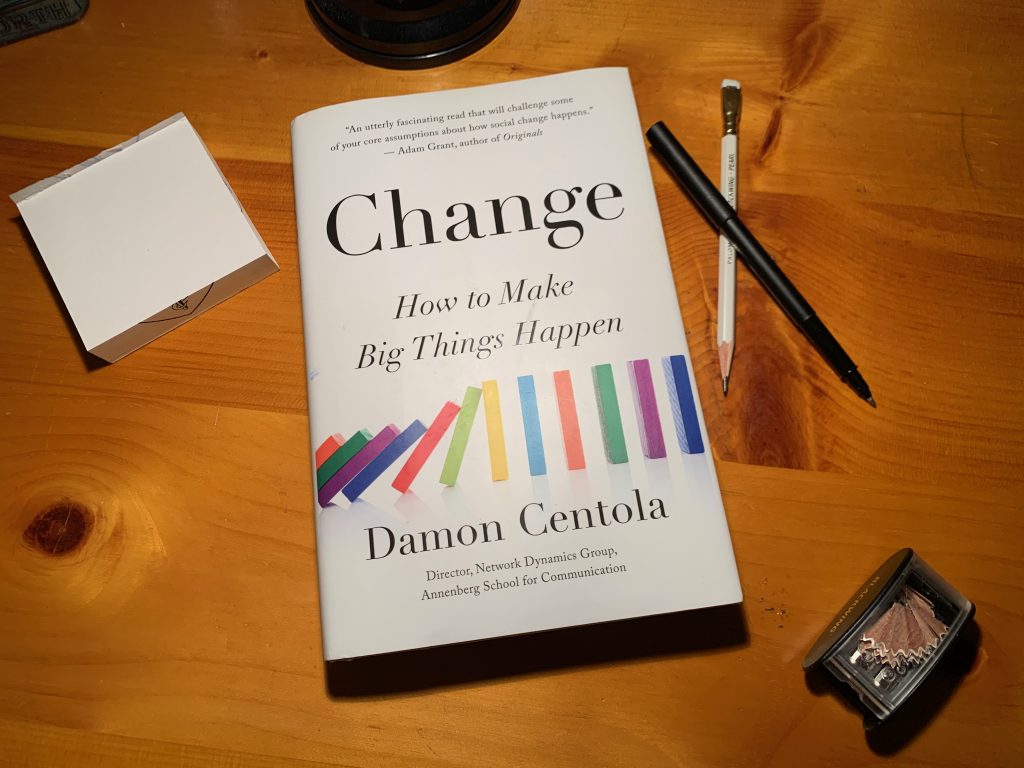
Change: How to Make Big Things Happen by Damon Centola should be required reading for advocates. How do big shifts in behavior or beliefs happen? That’s our job and we’ve been missing the most important tools (unless you are a social network scientist). We’ve learned the lessons of sticky messages and nudges that make better…
Read MoreCTNJ Opinion: Remember Public Health’s Value After COVID Is Gone
The COVID-19 pandemic has focused a bright light on the weakness of the U.S. public health system. Countries with strong public health systems fared much better in controlling the virus’ spread. America used to have a strong public health system. From 1900 to 2000, life expectancy rose by 30 years. Contrary to public opinion, it…
Read MoreGovernor’s consultant report recommendations for Medicaid savings are baseless

It’s not in the headlines but the biggest source of potential savings, $200 million, proposed by the Governor’s controversial report from Boston Consulting Group (BCG) to save money in state government to is to go back to failed Medicaid financial risk models. There are two problems with the proposal. First, the financial risk models don’t…
Read More